Showing posts with label Vintage. Show all posts

Thursday, March 10, 2011

On the Road...

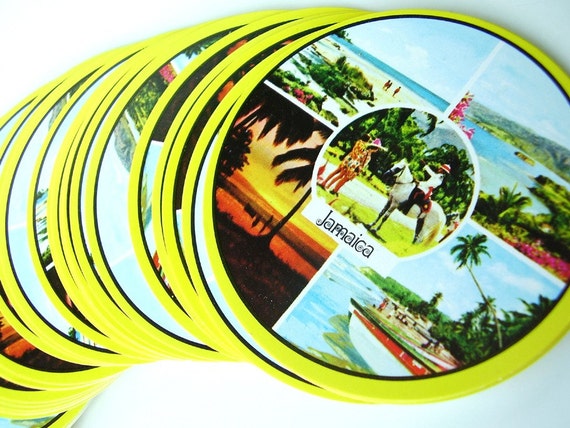
Jamaica Souvenir Playing Cards by ValintheValley
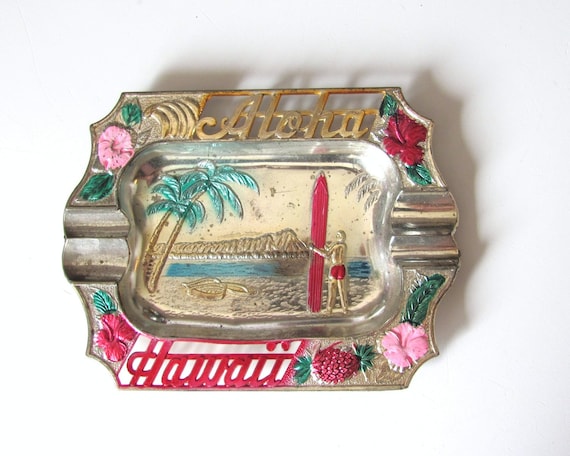
Hawaii Souvenir Ashtray by MungerBirchwoodINC
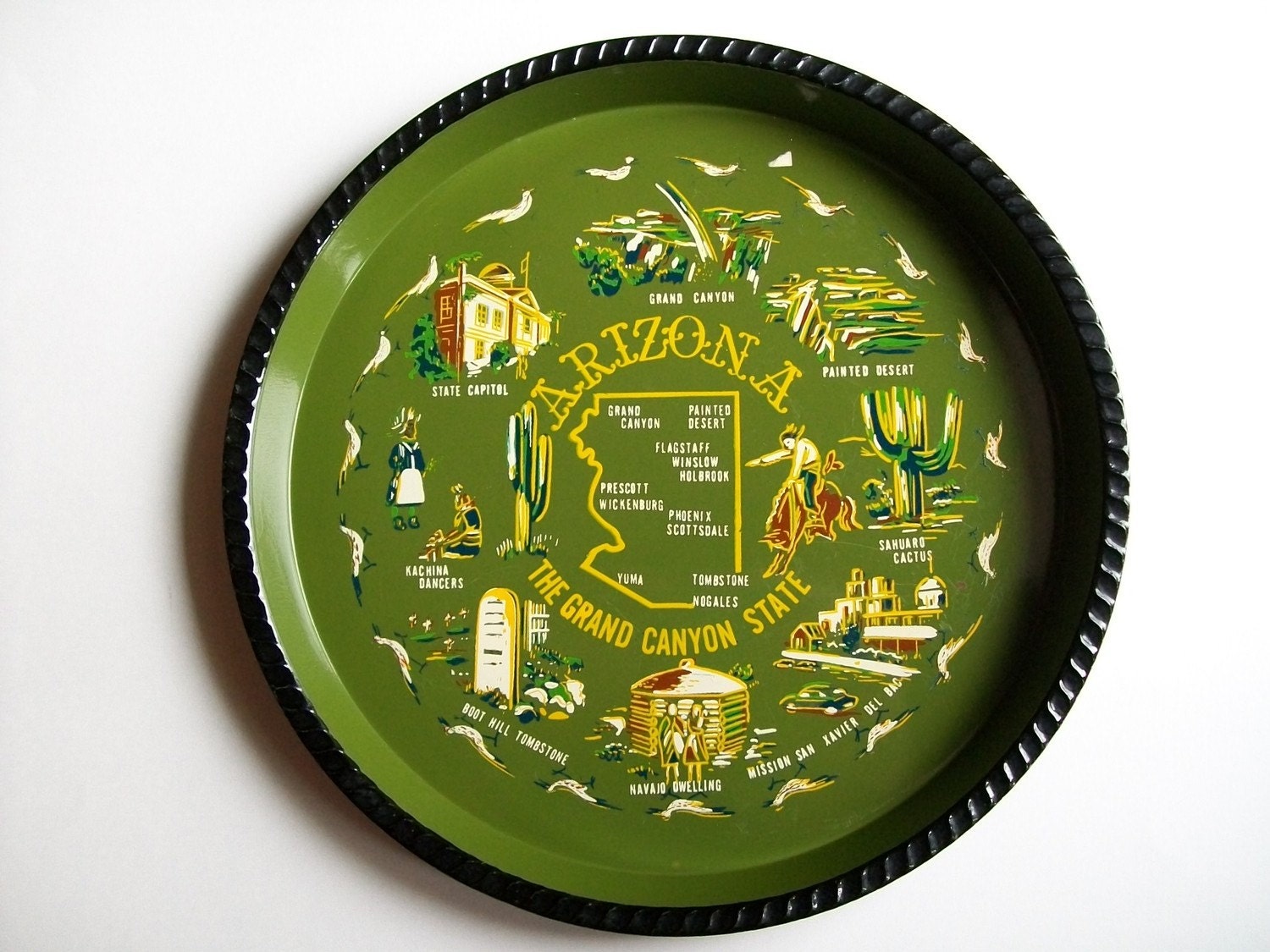
Arizona Souvenir Tray by jacklom3
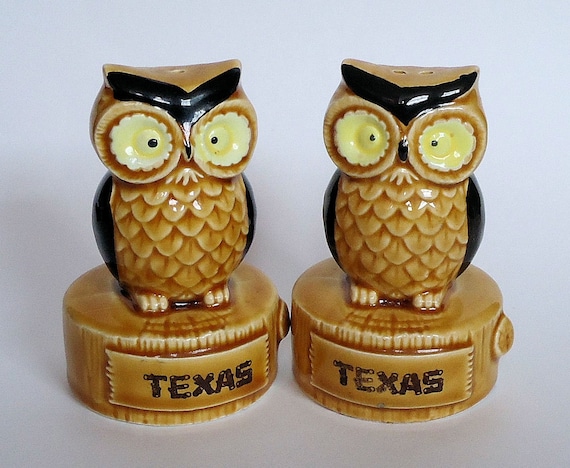
Owl Texas Souvenir Salt & Pepper Shakers by BabylonSisters
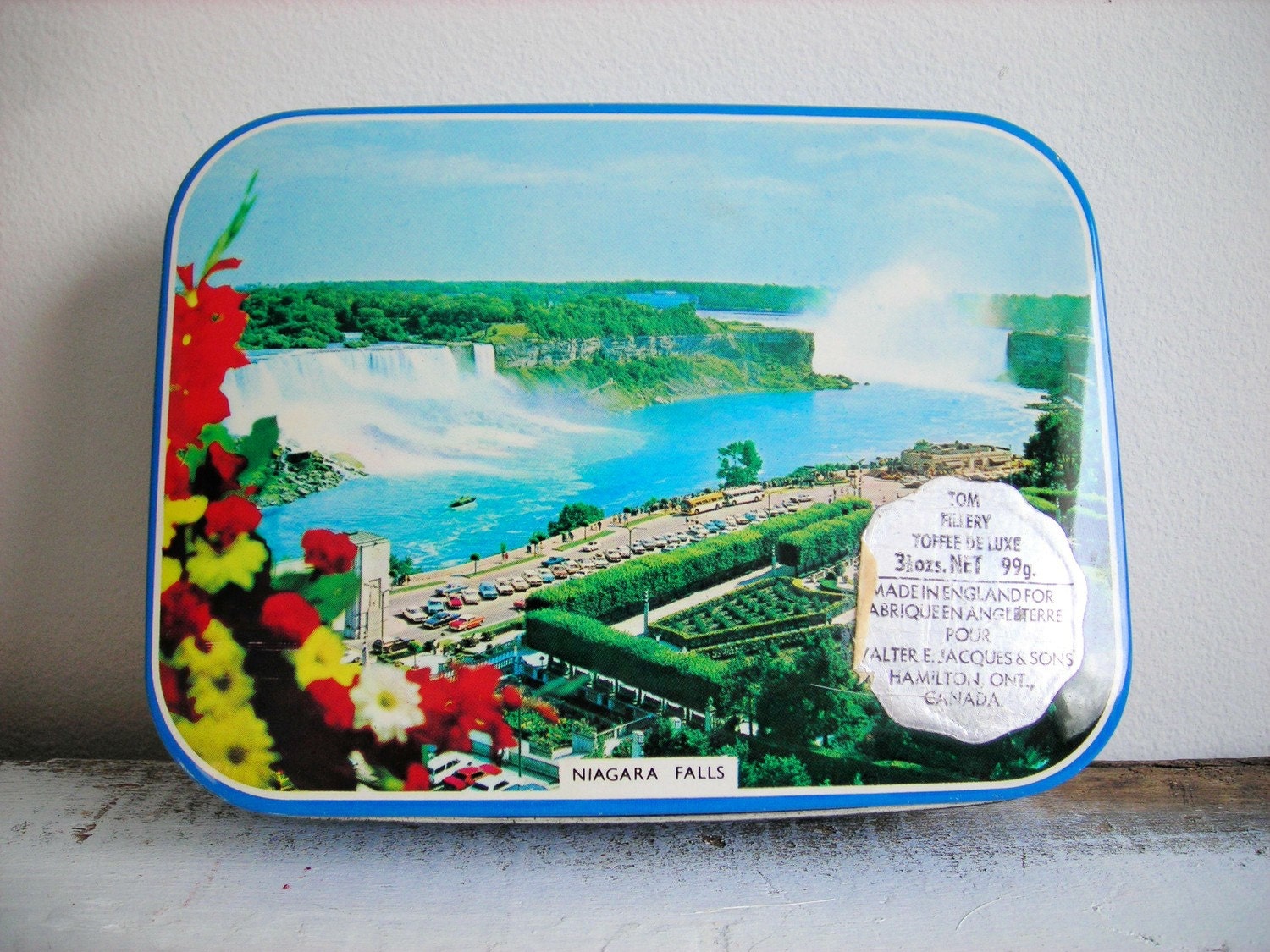
Niagara Falls Souvenir Candy Tin by VintageSurplus
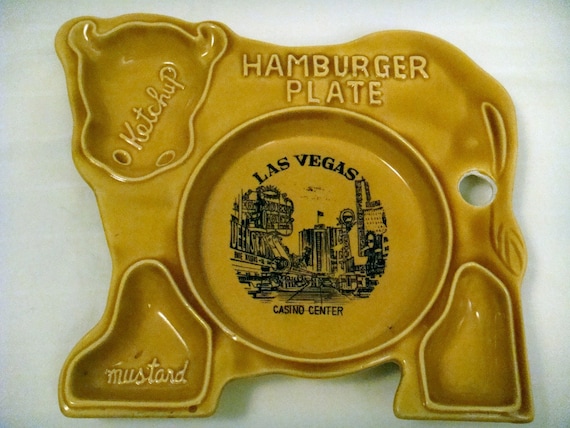
Las Vegas Souvenir Hamburger Plate by pollydoodlesco
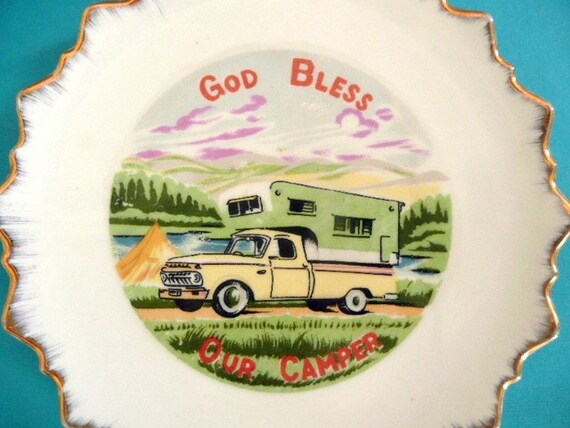
God Bless Our Camper Plate by GoodandPlenty
Related Posts Widget for Blogs by LinkWithin

Wednesday, July 8, 2009

How to Find the Perfect Vintage Shoes - lifestyle.simpatico.msn.ca

If the vintage shoes fits...then read these 11 shopping tips before splurging on a seemingly exclusive pair.

by Caroline Cox (HarperCollins Canada)
How to Find the Perfect Vintage Shoes

What girl doesn't have a bit of a shoe-shopping habit? From strappy sandals to Mary-Janes to impossibly seductive pumps, the shoe varieties out there are endless. Finally, you can indulge in all the shoe goodness you crave without breaking the bank. Vintage Shoes is a century-long journey through the key designs, technical developments, and cultural influences that shape shoe fashions. With its luscious photos and original sketches from luminaries such as Christian Louboutin, Vivienne Westwood and Manolo Blahnik, Vintage Shoes is a visual delight and an invaluable guide to the art of shoe shopping. In the excerpt below, fashion authority Caroline Cox explains where to buy vintage shoes and, more importantly, how to tell the difference between collectors' items and not-so-collectible ones.

Shopping and Collecting

In the early twenty-first century there has been a new consumer awakening as people have come to their senses and realized that collecting vintage is the most eco-friendly way of buying fashion -- it's a perfect example of recycling. The other beauty of collecting vintage is that you can get an item that no one else has and that's why it's become somewhat of an international pastime. Footwear designers unashamedly pay homage to designs of the past and consequently over the last few years there has been an increasing demand for vintage shoes, as they can sometimes be almost indistinguishable from their modern counterparts. Miu Miu's homage to Terry de Havilland's platform shoes in the early 2000s are an obvious example and had an added bonus -- they made the 1970s originals much sought-after and led to a resurrection of the original designer's career. De Havilland's gorgeous pop-art python skin heels now regularly sell for high prices at auction.

Where to Buy

There are obvious outlets for vintage shoes: specialist vintage clothing fairs; retro clothing markets like Portobello Road and Brick Lane in London and the Cligancourt flea-market in Paris; vintage retail outfits such as Exquisite Fashion in New York and Gray's Antique Centre in London; and of course the Internet. Charity and thrift shops are also surprisingly good for vintage shoes, despite having dried up as a source for most other forms of vintage, because the market is still relatively new and untapped and the names of couture shoe designers are far less well known than those associated with clothes. It is still possible to pick up a pair of original stilettos by Salvatore Ferragamo or a pair of 1940s wedges, for instance, because they have been mistaken for the modern version. There are several ways of recognizing a collectible vintage shoe:

• The very best -- including Roger Vivier for Christian Dior, Courreges and Beth Levine -- will have a griffe or designer label inside and these are the ones to collect. The vintage shoes that hold their value are by individual designers rather than mainstream manufacturers. So look for a designer's name like Seymour Troy rather than a corporate brand such as Dolci's.

• The most expensive designer shoes will be completely made of leather, including a leather lining and will say so: "all leather" if English, "cuir" if French, "vero cuio" if Italian.

• Look for leather that is stitched together rather than glued, as again, this suggests a higher quality and hand-made shoe.

• Remember that some synthetic shoes are still collectible, particularly from the 1960s when many of the top designers such as Beth Levine experimented with plastics.

• Original 1950s stilettos will have metal heel tips, not plastic ones.

• Many original manufacturer's labels before the 1960s are written in a calligraphic "signature" style rather than in modern typography.

To Wear or Not to Wear?

Collectors recognize that many vintage shoes are of a quality that is rarely found today. Techniques like hand-sewn seams and delicate detailing are too expensive to be incorporated into the modern processes of manufacturing footwear. Shoes from the past can also be in quite fragile condition, particularly if they date from the days of cobbling when investing in a pair of shoes was an expensive, long-term purchase and they would have been looked after and worn for many years. So should one wear such fragile objects or, like some collectors, use them to make a decorative statement instead? Many diehard collectors would regard putting on vintage shoes to pound the streets as a sacrilege and instead keep their special finds wrapped in acid-free tissue paper and out of direct sunlight, with a photograph stuck to the front of each box for easy recognition. It must be remembered that many women's shoes from the past were not designed for practicality and nineteenth-century slippers would fall apart if walked for the distances we expect today.

Another reason why vintage shoes remain unworn by many collectors is the question of fit. It is very difficult to find a perfect fit between a vintage shoe and a modern foot because forty years ago feet were considerably smaller -- or women pretended they were. Shoes tended to err on the small and narrow side because of the worship of the small and delicate female foot, particularly in the nineteenth and early twentieth century. It is much easier to find larger fitting shoe sizes from the 1970s onwards, as this was the era when the fashion for the clumpy shoe took off; there are bargains to be had from these decades that easily fit in with today's retro-inspired fashions. But if you are determined to collect vintage shoes that fit, the following steps should be taken to avoid blisters.

• Like any shoe, make sure there is enough space at the end to flex your toes. If your foot moves out of the heel when walking, buy an insole for a snug fit.

• If you are buying shoes from eBay or any similar Internet auction site, take no notice of the size that is quoted in the description -- shoe sizes from the past vary wildly. Ask the seller for exact width and length measurements and see if they match your feet before purchase. Some sellers also will accept returns so make sure you check their conditions of sale; you may be able to send a pair back if you‘re not happy with your purchase.

• If the shoes are a little tight, don't despair. It is possible to stretch them a little. For leather, take the shoe and dampen the pinching area with a 50–50 mix of water and methylated spirit or specialist leather lotion and then insert into a shoe stretcher or shoe tree where it should stay until it has dried. If the shoe is synthetic, place it on a shoe stretcher or shoe tree and warm carefully with a hair dryer while pulling it into shape.

• It's very difficult to track down pairs in unworn or very good used condition because shoes, unlike other kinds of retro accessories, were worn, mended and re-mended until they were worn out. As a result, it is fairly unlikely that a collector would find an unused, pristine pair in their original box, but it does happen, especially with 1980s shoes when designer shoes were displayed as trophy items and sometimes hardly worn.

• Finding shoes that date from before the twentieth century is a pretty rare occurrence, but a tip for dating a rare early shoe is to look at the soles. Before the mid-nineteenth century there was no clear distinction between the left foot or the right; shoes were interchangeable and had identically shaped soles.

Despite recent interest in all things vintage, there are bargains to be had out there. For example, it's much cheaper to buy a pair of Chanel shoes than a blouse or belt, and there is a specific cultural reason for this -- people are squeamish about other people's feet. A vintage dress can be easily cleaned, but shoes less so, and many bear the imprint of the previous owner's feet, which can be off-putting to some vintage clothes enthusiasts. Shoes tend to have a bit more wear and tear than other items of vintage clothing and it's sometimes difficult to disguise. But a suede brush, a shoe shine kit and a pair of insoles can work wonders, and remember that buying vintage is the best way to stand out from the main street crowd.

From Vintage Shoes: Collecting and Wearing Twentieth Century Designer Footwear. Published by HarperCollins Publishers Ltd. copyright text © 2008 Caroline Cox. All rights reserved. Reprinted by permission of HarperCollins Publishers Ltd.

Article
Related Posts Widget for Blogs by LinkWithin

Friday, May 8, 2009

Spotlight on Etsy Vintage : Back to the Beach


Related Posts Widget for Blogs by LinkWithin

Tuesday, April 21, 2009

Killer Looks : Street Style : Coachella 2009


Related Posts Widget for Blogs by LinkWithin

Monday, April 20, 2009

Guest Host : Murai Vintage : Legs, Legs, Legs…Summertime Skirts and Dresses

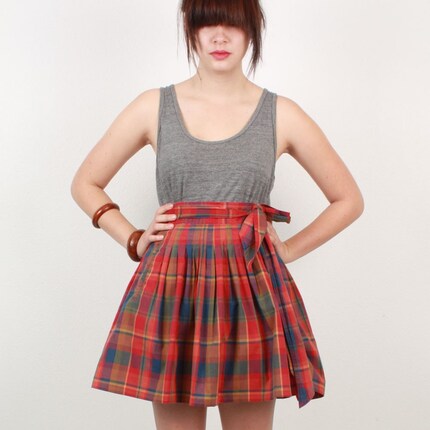
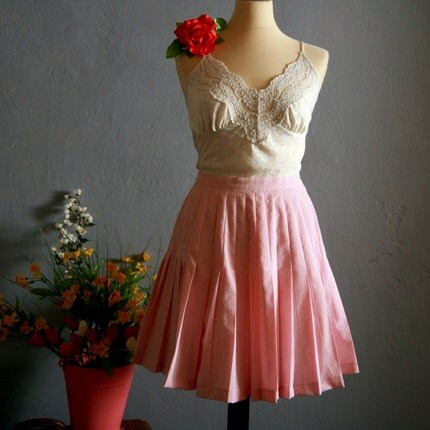
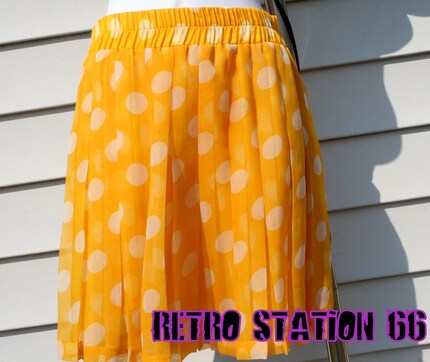
This summer I am really into short and full skirts, skirts with pleats, and non-traditional dresses. The perfect match for a great skirt is a very minimal top as not to take away from your star garment. Also, a really nice neck piece and a pair of small earrings will really polish off your look. Non-traditional dresses such as shirt dresses or long bohemian skirts worn as dresses are best complemented with an awesome waist belt and a killer pair of earrings (big ones if the hair will be pulled up).

Here are some adorable vintage picks from ETSY:


Plaid Mini Wrap Skirt $39.00 from Ramona West

Pleated Pink Mini Skirt $26.00 from Beta Boutique

Paisley Mini Dress $35.00 from Nod to Mod Vintage

Vintage Tropical Knee Length Pleated Skirt $15.00 from Dreams Never End

Vintage Yellow & White Polka Dot Sheer Skirt $30 from Retro Station 66


Thanks to Mia from Murai Vintage who was nice enough to join us as a guest host today! Check out her killer vintage shop @ Etsy!
Related Posts Widget for Blogs by LinkWithin

Murai Vintage @ Etsy

Murai Vintage @ Twitter
Murai Vintage Blog

Friday, April 3, 2009

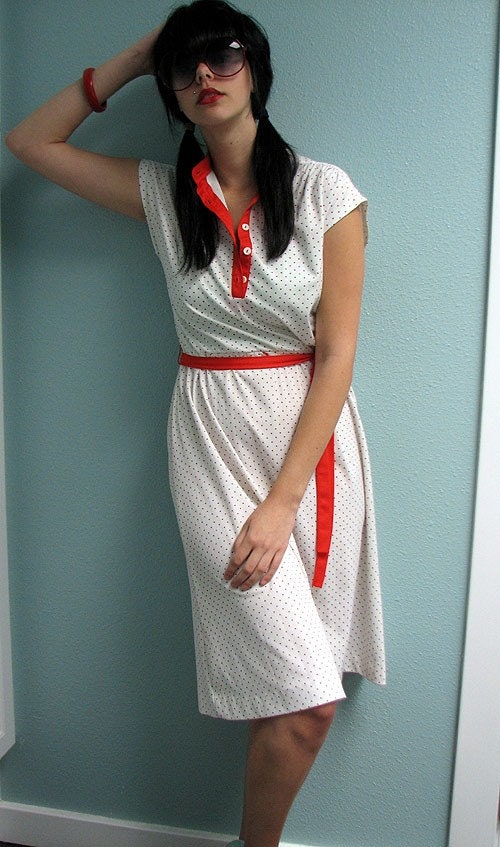
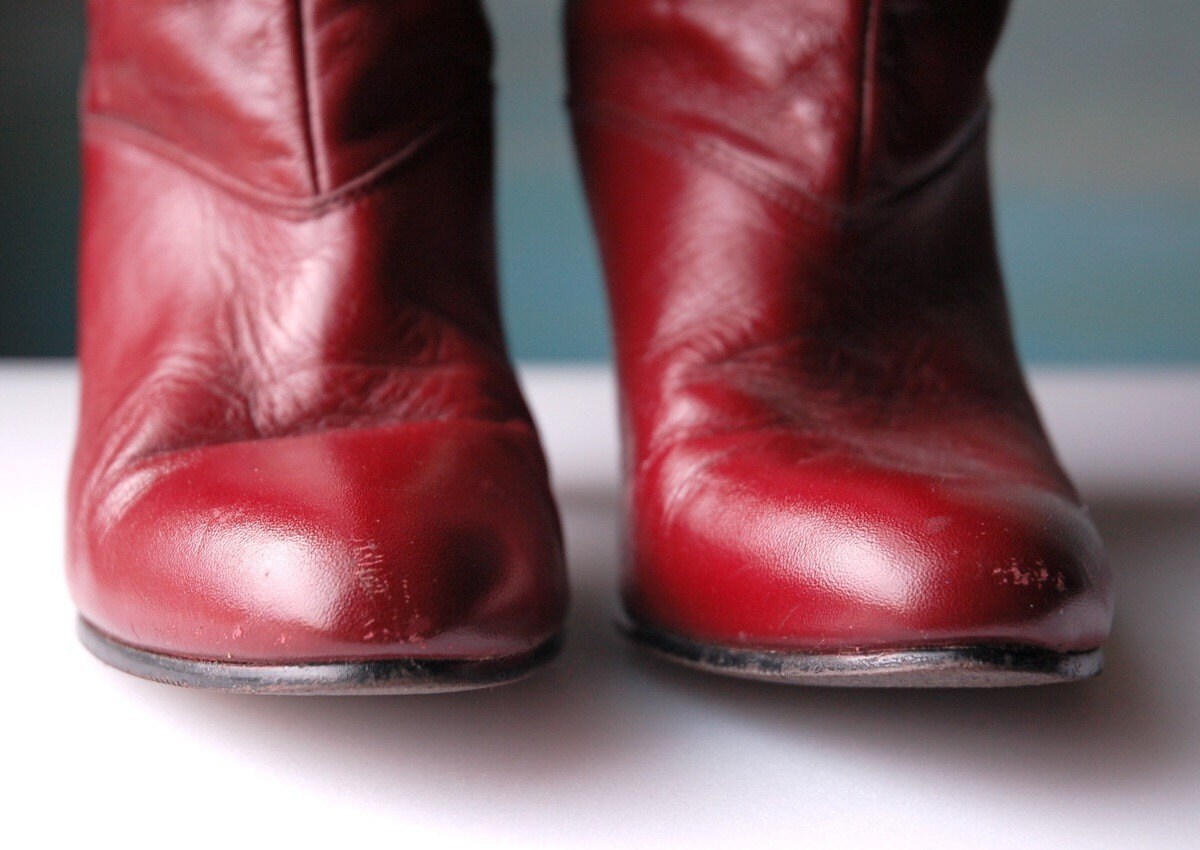
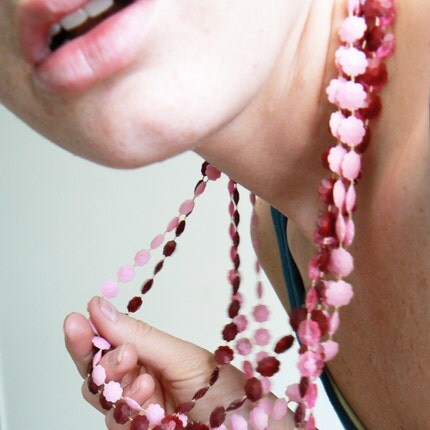
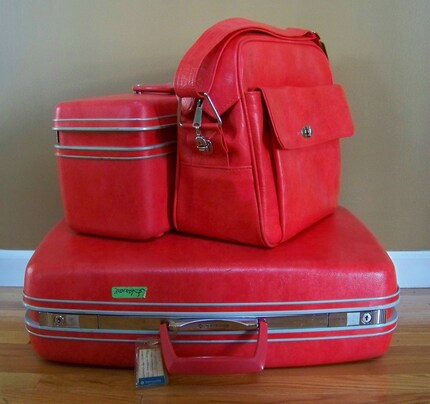
Cherry Bomb : Spotlight on Etsy Vintage

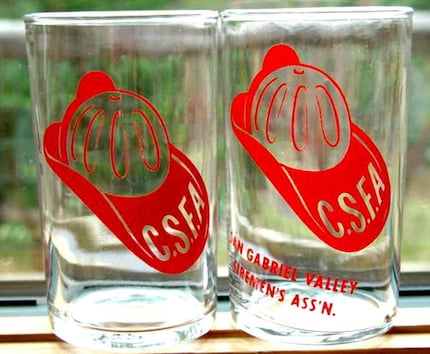
Vintage Fireman Hat Juice Glasses $7.99 @ Appel Jar

Vintage Polka Dot Dress $48.00 @ Cloud Nine Vintage

Vintage Red Boots $28.00 @ Sophisikate

Vintage Necklace $55.00 @ The Vintage Closet


Vintage Luggage Set $95.00 @ Vintology

Sunday, January 25, 2009

Man, what a bargain - latimes.com


What could be more macho than stalking thrift stores for deals on designer clothing?
By John Lippman

January 25, 2009

It cost me $44.93 to look like a million bucks.

That's how much I spent on the resplendent sampling from my wardrobe I'm currently wearing. The outfit would have easily cost more than $1,000 -- if purchased new from brand-name stores. But the garments all came from thrift stores.

My suit, a charcoal-gray herringbone in mint condition from Brooks Brothers, cost $12.95. A like-new, spread collar, sky-blue dress shirt from Banana Republic cost $2.99. My tie, a rich paisley by Ralph Lauren, was $1.99. A pair of Cole & Haan black wingtips set me back $12.

The suit wasn't perfect. The jacket sleeves were too long. For $15, my trusted tailor, Moses, shortened them for a perfect fit.

I'm a thrift store clothes addict. That makes me a bit of an exception to my gender, based on what I've seen at thrift shops and vintage clothing stores over the years. So, men, here's a chance for you to benefit from something women have known for years: There are great bargains in thrift store clothes if you know where and how to look.

Linda Stephens, who runs the Huntington Collection thrift store in Pasadena, agrees that men have largely avoided shopping for secondhand duds.

"But that is changing because the economy is bad," she said. She's noticed a brisk traffic of men coming through the store looking for shirts, shoes and $25 suits.

"We're talking $1,000 these days for a good men's suit," she said. That's new, of course.

At least 90% of my suits, sport coats, shirts, ties and shoes were purchased at thrift stores. I draw the line at socks and underwear, but I have picked up suspenders, cuff links, hats and even cutaway tails and morning trousers (a newsman must be prepared) in the resale market.

All of these purchases are of the highest quality. I like well-made clothing, but I dislike prices that require me to be well-heeled. If I had purchased my clothes new, the tab would have easily jumped into the thousands. But my annual total wardrobe investment, as a result of strategic thrift store shopping, runs less than the cost of a couple of suits at Nordstrom's.

Soaring sales

As the recession cuts deeper into our wallets, more people appear to be buying preowned fashions. A survey of members by the National Assn. of Resale and Thrift Shops showed a jump of more than 35% in sales during September and October compared with year-prior levels.

But it didn't take a recession to get me into thrift stores.

Years ago I fell into the habit of acquiring things that had previous owners. It began with stocking my library with books from used bookstores. Next came the purchase of a used -- excuse me, "preowned" -- car.

Then one day, having time to kill, I strayed into a Goodwill store in Pasadena next to the tire shop where my car's flat was getting fixed. Noticing a rack of suits, I slipped on a couple out of curiosity. To my surprise, they fit, were in excellent condition and cost less than a week's worth of lattes from Starbucks.

To start shopping for secondhand clothes, you need to know the terrain.

First, all thrift stores are not created equal.

At the bottom of the pecking order are the ubiquitous Goodwill Industries and the Out of the Closet stores, which tend to put anything and everything on the rack. As a result, finding a high-quality suit at one of these stores is a bit like finding a needle in a haystack.

On the middle-and-upper end of the scale are the thrift shops operated by charities, including the Council Thrift Shops run by the National Council of Jewish Women, the House of Return operated by Beit T'Shuvah charity and the American Cancer Society's Discovery Shops. These stores often stock designer clothing donated by well-heeled members, not just someone's old socks and T-shirts.

At the upper end are specialty vintage clothing stores, such as Aardvarks and It's a Wrap, which sells studio wardrobe clothing at steep discounts, though at higher prices than a nonprofit organization would.

I steer clear of EBay, arguably the world's biggest thrift store. It's always a risk to buy clothing without trying it on first. A satisfying winning bid doesn't count for much if the jacket or slacks ultimately don't fit.

What's it worth?

Next, you need to know the going rates.

Thrift store economies mean you should generally be able to buy a suit for under $20, a sport coat for around $12, pants for no more than $10 and shirts for no higher than $6.

At some thrift stores a high-end, brand-name suit can run $30 to $40 -- and in some instances even more than $100. But all the prices tend to work out to 10% to 20% of an item's value if purchased new.

A quick check lays out the savings. A new Brooks Brothers suit can run around $1,000; a new Polo herringbone blazer commands about $1,300; a new Hickey Freeman suit can sell for more than $1,500; and a J. Press suit is about $800. These are not newsman-friendly prices, especially if a newsman desires to own more than a single garment.

But I recently scored that herringbone Brooks Brothers suit for $12.95 at the Goodwill on Fairfax, and a J. Press chalk pinstripe for $29.95 at Out of the Closet in Glendale. If I didn't admit these facts in print, none would be the wiser.

There are also some land mines out there.

For starters, give the article of clothing a close inspection, looking for holes, tears and stains -- especially on those pinstripe suits. I'm still smarting from the time I paid $19 for a Paul Stuart seersucker suit only to discover a hole in the trousers the size of a quarter.

Questionable merchandise is usually not a problem at upper-end thrift stores, but pay special attention at the chains that stock everything.

The best days to find new inventory are Monday and Tuesday because that's when the weekend donations make it onto the floor.

And, between you and me, the best thrift stores tend to be located in upscale areas. You're more likely to find that $1,000 suit in Beverly Hills than in, well, you know where.

It's also important to be patient. If you're going to buy your clothes at thrift stores you have to put up with the sometimes frustrating task of inspecting racks brimming with discardable items to find the genuine, quality article. After all, 99% of the clothing in a thrift store is probably not something you would ever want to wear.

'Keep coming back'

"It's about the treasure hunt," says Arlene Ford, a manager at House of Return in Culver City. "It's not like shopping Ross or Nordstrom. You have to keep coming back."

"It doesn't work for the guy who has to show up tomorrow morning in a business suit looking perfect," Ford said. "That's part of the joy of people coming back day after day. Thrift-store shopping is more of an experience."

In my years of shopping secondhand, I've learned that the common perception that thrift stores are stocked with raggedy clothes meant for the destitute is just plain wrong.

The truth is, most of the men's clothing found in these stores is perfectly acceptable.

"Women are the deciders," says Ford at the House of Return. "They are the ones who go through their husbands' closets and decide when [their spouses] are done with it."

john.lippman@latimes.com

Wednesday, December 31, 2008

Castoffs can make your wardrobe - canada.com

Vintage clothing stores can yield treasures if you know how to look
Chantal Eustace
Calgary Herald

With a little digging, you can find pieces to treasure at vintage and second-hand clothing stores.
CREDIT: Photos, Ian Smith, Canwest News Service
With a little digging, you can find pieces to treasure at vintage and second-hand clothing stores.

Call it what you like -- vintage, preloved, used, junk, lived-in, gently worn, unwanted wear, time-warp or consignment -- done right, other people's casto s can transform a dull outfit into something spectacular.

Buying someone else's unwanted Levis is economical -- and especially relevant in these uncertain financial times. It's ecological too, a stylish way to help the polar bears.

"I think the main reason people shop vintage is because they have a very unique and defined sense of style and vintage clothing enables them to express themselves as an individual," says Carly Lenarduzzi, owner of Mintage, a Vancouver vintage clothing retailer. "With so many cookie-cutter clothing stores, vintage clothing is a breath of fresh air."

If you do it right, that is.

It can't look too ratty. It shouldn't make you look like an extra from Austin Powers, or worse, a cast member from the original Beverly Hills 90210. It shouldn't look like it is something old that you wore in your youth, or something you never stopped wearing.

And it definitely shouldn't be stained, smelly or infested by bugs.

If you're new to second-hand shopping, make sure you stick to basics like denims, skirts, T-shirts or coats. Leave the tutus to the pros.

To help you get into the groove, we've compiled some shopping tips and tryouts. Pretty soon you'll be mapping out your own route, consigning your prom dress, and stepping out in a rockabilly shirt with a pair of mod boots.

Or just bragging about the $5 you paid for your new cashmere sweater.

Armchair Shopper

If you're really a vintage virgin -- and you don't want to dig -- find a comfy chair and go online.

There are loads of great web-sites that sell preloved apparel, including the obvious and easy eBay. Or, click away for some vintage couture at paperbag-princess.com. It is a virtual treasure trove of used designer duds, including brands like Versace and Dior.

Be Bold

A little digging in consignment shops (look under Consignment in the Yellow Pages or enter "consignment clothing Calgary" into an Internet search engine) and you'll be bragging to your pals about your $15 Oxfords or $20 Burberrys.

Don't let the sometimes drab exteriors put you o . Be bold. Find your deals!

Or better yet, bring in your old stu when you go. Eventually, you'll be earning money to shop. (Well, sort of.)

Paradise Found

Charity thrift stores like those operated by the Salvation Army o er up some of the best deals in used shopping opportunities, along with a solid dose of good karma. There are fashion treasures to be found among the mountains of stu , from paintings to tea cups to sofas and china kittens.

Procrastination Not Allowed

If you see something you like, pick it up immediately, reflect on it later. Chances are, if you leave that Saskatchewan Wheat Pool T-shirt or faux fur jacket and plan to return -- it'll be gone.

So get digging.

Monday, December 22, 2008

Pop Couture - nytimes.com

December 21, 2008
The Medium

Pop Couture

Sometimes the Web is most satisfying when it confirms a cliché from the world offline.

I’m thinking of the captivating street-style photoblogs, which display snapshots of chic pedestrians in cities around the world. Such blogs exist for Tel Aviv, Stockholm, Moscow, Sydney, Seoul, Berlin, Dublin, London — you name it. Survey them one morning over coffee, and you’ll feel like a boulevardier of the whole world, breezing past one stunning creature after another, free to cruelly assess or dumbly gaze — at supreme leisure and invulnerable to reciprocal scrutiny.

What can be learned from a global anthology of fantastic-­looking people? First off, you might find that looking at people on city streets is almost a perfect allegory of Web-browsing. Tellingly, the major Chinese search engine, Baidu, takes its name from an ancient poem about the search for (what the portal’s FAQ calls) “a retreating beauty amid chaotic glamour.” Anyone encountering the bedlam of the Web seeks a resting place, even — at times — a literal or figurative embrace. The suspense of that exploration is mirrored in the story you find on the street-style blogs: the search for a quiet connection with beauty in a metropolis of strangers.

But what specifically do the photoblogs teach about fashion? The novelty of Aladdin pants, the sweetness of dove gray, bits and pieces of style — gestalts, vibes — the same vague revelations you might discover while walking in the Harajuku neighborhood in Tokyo or the French Quarter in New Orleans. Dozens of street-style blogs for Muslim women show inventive ways to wear a hijab and eye makeup. Some stylish people on the blogs look chipper and resourceful (Tokyo); some look pampered (Cape Town). Others appear proud (Stockholm), playful (Austin), radiant (Copenhagen), easygoing (Nairobi), celebratory (Buenos Aires), ferocious (London). The street-style blogs palpably lift the mood: human beings in their natural habitats and chosen adornments seem suddenly ingenious, unpredictable and above all beautiful.

That feeling mounts at the best sites — Face Hunter, Style-Arena, Stockholm Street Style — and peaks with a glance at The Sartorialist, the bellwether American site that turned this kind of cruising-photo­blogging into an art form. Fathered by Scott Schuman, a onetime employee of the men’s clothing enterprise Chess King who (though he detoured through a career in high fashion) never lost his eye for the sharp-dressed Everyman, The Sartorialist features not just handsome people but also handsome photographs. The site’s generous, near-gilded portraits are especially pleasing when contrasted with stock rage-filled fashion spreads in glossy magazines. Schuman’s images have no edge; they’re all creamy center.

On an average day at The Sartorialist you might catch two students, she with a pink bow at her neck and he in a shrunken flannel shirt, loitering not far from a humorous-looking bearded man in a military-band jacket, who himself preens not far from a row of sophisticated winter women in dark stockings, heels, furs and vividly colored August-weight dresses.

Indeed, the street-style blogs of the world are so trippingly delightful and spontaneous that, while you forget your cares in your money­less world tour, you may also forget all societal gravity and natural laws and snob hierarchies — until. Hold up. At Garance Doré, a French blog named after its proprietress, you hit a hard truth, the immovable cliché of style: Paris. The Web came, the European Union, Tokyo style, war, Sarkozy, the crash of global markets. And still everyone dresses better in Paris.

At least, I mean, they look sublime at the house of Garance Doré. Raised by a high-stepping mother who wore Mugler and Alaïa, Doré is a fashion illustrator who in 2006 became “a little frustrated with the commissions I had, and in particular by the lack of contact with the readers” (as her freshly translated bio puts it). She closed the audience gap with a blog — as so many do; at first, it showed sketches and captions and now features photos of people she encounters. You know, just people, regular people, like an ethereal redheaded It Girl outside a Karl Lagerfeld show, or the sultry French model Valentine Fillol Cordier at the Palais Royal.

A friend of mine won’t look at Garance Doré because he says it fills him with longing he can’t bear. I feel nearly the same way, though I don’t stay away; I’m pleasurably overwhelmed. Somehow Garance Doré gives viewers the sense that they are in the urban splendor too, or could be, or should be — strolling or sauntering, rather than linking and clicking. And at this moment in cultural history, when the allure of Europe and Paris and the sumptuous, leisurely life is assumed to have faded, we’re not on guard against it. Garance Doré should come with a caution.

With their scarves and coats in muted colors, steady gazes and rosebud mouths, the figures who pause at Garance Doré seem somehow sainted. Unlike Schuman, Doré publishes photos of faces alone (often set above full-body shots), so her focus is less on silhouette and proportion and more on expression and complexion. While Schuman’s camera is curious, Doré’s is smitten. Her figures glow under her attention. They’re nearly aflame.

As a rule, the street-style blogs don’t take many ads. They’re not advertorial, either. I haven’t seen any that systematically caption their photos with information about brands, labels, prices. And if you think you might try to replicate one of the looks, you’re thrown back on your wits and your own wardrobe: the sites don’t suggest places to shop. A proposed “shopping guide” that was forever “premiering soon” on The Sartorialist seems to be stalled.

On the other hand, in this time of a downturn in traditional media that’s said to be both “cyclical and secular” — meaning that there’s a recession on and that the businesses are fundamentally changing and moving online — the street-style blogs suggest a new way of displaying fashion and, down the road, monetizing fashion reporting. Vogue’s Style File blog at Style.com, which features celebrities and breaking fashion news, rarely draws a single comment. By contrast, a Garance Doré post of an unnamed woman in houndstooth and stripes drew 78 comments, in French and English. Sartorialist posts regularly draw more than a hundred. People return to these sites, and stay a long time. In the fashion frame of mind, some viewers would no doubt click on ads for e-tailers that might sell them clothes, jewelry, accessories and cosmetics.

It’s also worth noting that if it’s the styles of New York and Paris that play the best online, nothing in the taste of the times should be all that confounding to people who know the rules of traditional fashion. Although of course even the great Garance Doré — who seems to me to be the guardian of all style — can get confused. Recently, Doré reported that she came across a stunning young woman with “une allure incroyable” in black eyeliner and a vintage blue puffer coat. Doré speculated that she might be from an exotic land, perhaps where grog is drunk. (At times, the French fashion world seems to be intoxicated by Scandinavian beauty and style.)

Though Doré addressed her in English, the alluring woman was entirely French, called Marianne (“Comme la République Française,” the woman added helpfully). It turned out that she was Doré’s neighbor in Paris. A stylish Parisienne? Quelle surprise.

Post a Comment at The Medium

__________

Points of Entry

THIS WEEK’S RECOMMENDATIONS

THE STREET: Seeking men and women fully dressed? The joyful street-style blogs are for the traveler who likes the sit-in-a-cafe-and-observe part and can be brought around — in the recession, anyhow — to the from-the-comfort-of-your-home part. My favorites are the pristine ones that don’t have muddy, trashy party pictures that really belong on MySpace. I like a point of view, lucid pictures, some analysis and lots of air in the design. That means: Face Hunter (London and beyond), The Sartorialist (New York and beyond), Garance Doré (Paris), Copenhagen Street Style, Stockholm Street Style, Altamira NYC, Stil in Berlin, The Style Scout (London), Style-Arena (Tokyo by neighborhood; see especially Harajuku, which first defined street style), The Streetswalker (Tel Aviv), Toronto Street Fashion, Styleclicker (Munich), On the Corner (Buenos Aires), Austin Style Watch, 2 Threads (Australia), The MidWasteland (Chicago), Miss at the Playa (miscellaneous), Hel-Looks (Helsinki), Look at Me (Moscow), Shanghai Viva, Glam Canyon (London), ReykjavikLooks.

Fashion books give stylish insights - postgazette.com

Fashion books give stylish insights
Wednesday, December 10, 2008

Several recently released fashion and style books might make wonderful holiday gifts -- or a treat for yourself.

You probably haven't heard of Ike Ude, a Nigerian-born artist, filmmaker, photographer, writer and editor of aRUDE Magazine.

His work is showcased in the New Yorker's hefty coffee table tome, "Style File: The World's Most Elegantly Dressed"(Collins Design, $65). Inside are brief profiles, including large, captivating color and black-and-white photos and easy-to-read Q&As on 55 folks from around the world whom he considers style arbiters.

It's an impressive list, including fashionably influential but obscure people known only to the most informed. A handful of designers made the cut, among them John Galliano, Carolina Herrera, Oscar de la Renta, Christian Louboutin, Mary McFadden and London corset king Mr. Pearl (Mark Pullin). There are also models, journalists, celebrities and other creative types, ranging from perfumer Frederic Malle and actress Isabella Ferrari to burlesque dancer Dita Von Teese and Vogue editor-at-large Andre Leon Talley.

The profiles alone make the book worth the price, but the 223-page opus provides more. There are annotated albums featuring the work of famed photographers such as Francesco Scavullo, Coreen Simpson, and Maripol. And Ude examines several periods notable for fashion in illustrated essays, including the Motown look and Belle Epoque.

The seriousness of the book is reflected in prestigious contributors who are not known to lend their names to just any piece of work. In the foreword, Valerie Steele, director of the Museum at the Fashion Institute of Technology, describes Ude as "the black prince of elegance" who is "exquisitely aware of the performative nature of fashion."

Harold Koda, curator-in-charge of the Costume Institute at the Metropolitan Museum of Art, explains why the book matters as more than a collection of fashion pictures and personalities.

"The creative possibilities of dress as a personally expressive medium are available to us all," he writes in a five-page introduction. "Because even a gesture suggesting an inattention to fashion -- say, pulling on an unwashed T-shirt with sweat pants and flip-flops to pick up the Sunday morning paper -- is a statement of attitude and identity. Nuanced narratives are articulated through dress and position us in relation to others."


There's been a dramatic growth in the popularity of vintage fashion over the past decade, with more references on runways as designers exhibit a fascination with nostalgia.

But how do you breathe new life into period-dated, era-related pieces? Emerging fashion designer Bridgett Artise's solution is to cut them up and creatively stitch them back together with pieces of other garments for up-to-the-minute style.

With help from Miami-based free-lance writer Jen Karetnick, Artise tells you how in "Born-Again Vintage: 25 Ways to Deconstruct, Reinvent, and Recycle Your Wardrobe" (Potter Craft, $24.95).

"My niche is bringing together the matchless quality of vintage with a dash of trendiness and edge to create a fashion-forward conversation piece," says Artise, a graduate of the Fashion Institute of Technology and creator of the B. Artise Originals fashion brand in 2000.

The 144-page book includes instructions and photos that show how looks can be remade for each season, plus tips on doing vintage accessories right. There's also a handy list of chain craft and used clothing stores, such as Jo-Ann Fabrics, Goodwill and Plato's Closet, as well as a state-by-state directory of vintage outfitters that includes Crimes of Fashion, Hey Betty! And Yesterday's News in Pittsburgh.

If the book's title sounds like a reference to faith, it is.

"The personal challenges I've conquered have given me new faith not only in life but in my own abilities," she says. "Prior to designing, I did very little that associated my passion for fashion with a career, and my path was somewhat foggy and unclear. However, through the pain of losing a loved one, my interest in clothing design came to the fore as a coping mechanism. 'Born-again' for me means being given a second chance at happiness. It is, therefore, no accident that I use old clothing in my designs."


Even the fashion-challenged can benefit from Isaac Mizrahi's latest book, "How to Have Style" (Gotham Books, $30).

Hundreds of instructive, often humorous color and black-and-white photos throughout the 223-page paperback illustrate how real women -- not towering, reed-thin catwalk models -- can turn the page to a new chapter of chic, regardless of how they categorize themselves.

With his trademark wit and extensive knowledge base, Mizrahi addresses 12 specific scenarios, ranging from how to have style when you're on a budget or when you're traveling on business to when you're waking up "from a jeans coma."

Also valuable: Sections that describe and illustrate wardrobe must-haves in footwear, handbags, jewelry, watches and bras.

For women, Mizrahi is to fashion what Richard Simmons is to fitness with his straight-talk, almost-Smurfy approach.

He begins the book by telling women how to be inspired, how to describe and discover their style and how to find their own style team. But before any of that, he stresses, they have to accept themselves as they are.

"I have something to say, girls," he writes in a brief preface. "Before you can think about having style, you have to learn to look in the mirror and like what you see. Too many women are taught to hate the way they look and are encouraged to change everything about themselves from their lips to their bust sizes. I can give you all my style tips and ideas about your hair, makeup, and dress, but none of this is going to do anything for you if you don't learn to accept yourself and love who you are."

Post-Gazette fashion editor LaMont Jones can be reached at ljones@post-gazette.com or at 412-263-1469.
First published on December 10, 2008 at 12:00 am

Retro back in fashion again - tampabay.com


By Austin Bogues, Times Staff Writer


Published Friday, December 19, 2008 3:44 PM

ST. PETERSBURG

In her search for the perfect holiday party dress, Jessica Shrader wanted something that would be different, yet classic.

When she and her boyfriend rode past and a saw a sale sign at Buffalo Gal Vintage she decided to stop for a look.

"It was incredible," Shrader, 23, said. "I had no idea what I was going to find." There it was, the perfect black dress, for $134.

The style of the dress Shrader bought mimics vintage fashion, like something Audrey Hepburn might wear in Breakfast at Tiffany's. "It's just timeless," Shrader said.

The shop's owner, Desiree Sheridan, knows a few things about vintage and retro looks. Her store specializes in refurbishing old garments into the classic, stylish looks that are making a comeback. Sheridan worked in theater for years in San Francisco and Los Angeles.

Over time she acquired scores of old costumes and outfits from estate auctions. She restores each garment to its original condition, or matches it with a similar set from the same era.

"I make it mainstream, so you can incorporate it into today's wardrobe," said Sheridan, who has experience working at antiques malls and opened the shop three months ago on Martin Luther King Jr. Street N.

"It was a big risk, going into business in the midst of a recession," Sheridan, 46, said. But she's confident that the growing interest in retro fashions will sustain her venture.

The retro inventory in Sheridan's shop includes clothing dating from the 1880s up through the 1970s. The shop also sells shoes, lingerie, handbags, ties, jackets and other apparel.

Some of the items look as though they could clothe the cast of The Great Gatsby or a country western drama. Some are inexpensive, equivalent to the price of a dress off the rack from JCPenney or Dillard's.

Sheridan does a great deal of research to make sure the restoration of the garments is accurate.

"She's got an encyclopedia mind," said Emily Miller, 24, who has worked as a seamstress for Sheridan. "She knows exactly what period and what the history of a piece of clothing is."

Most dresses have to be hand-sewn because they are so intricately made. Then, there are also large dry cleaning bills before clothes hit the rack.

In addition to the vintage clothing, Sheridan's business also offers pin-up photography, letting customers pose in retro wear. She works with several photographers such as Rachel Baker, 33, who specializes in fashion photography. "It's kind of like fairy tale-ish," said Baker.

Last week, she worked with model Justina Guggino, 24, on a variety of photos in Sheridan-provided clothing. "I just think the whole style is coming back, everything from the 1940s," she said.

While vintage costume styles may be in demand, the number of shops that sell a wide range of this type of retro apparel is limited. Sheridan's closest competitor is across the bay — Jill Wax's La France in Ybor City.

Wax's store has been in business for more than 35 years, over which time she has seen the cyclical trends of fashion: "Your 1920s was reproduced in the 1970s; your 30s was reproduced in the 1980s."

Wax said that the most popular decades young customers come looking for today are from the 1960s and 1940s. "You have that popular '60s show Mad Men now and a lot of kids come in for clothing like that," she said.

Austin Bogues can be reached at abogues@sptimes.com or (727) 893-8872.


If you go

Buffalo Gal Vintage is at 1219 Martin Luther King Jr. St. N, St. Petersburg. Visit www.buffalogal
vintage.com or call (727) 290-8468.

Sunday, December 14, 2008

Kitsch, but classy: Vintage-clothing seller Holly Pickering has given her 1950s memorabilia a sophisticated home -independant.co.uk


Interview by Rhiannon Harries
Sunday, 7 December 2008


I approach my house the same way I approach the way I dress. A lot of people expect me to wear head-to-toe vintage but I've always found it more interesting to mix retro and contemporary than to go for historical fidelity. It leaves more room for personality and means that every last detail doesn't have to be completely perfect.

This is the room that sold this house in north London to me – there's lots of light but it's soft and peaceful. It's our main living space so it isn't a considered, put-together room at all, but I'm pleased with the way that it has evolved slowly. My boyfriend is really keen on 1950s kitsch, whereas I try to keep things a little more understated. I think we have the balance right – the wackier objects are offset by the calm colour scheme and the natural wooden floor. It's lively, but hopefully it's also quite sophisticated.

We've both been really lucky in that we have inherited lots of wonderful things from our families. The old Japanese pachinko machine on the wall is from the 1950s and was given to us by my boyfriend's father, who found it at Camden Market. The chicken perching on top is a reissue of a 1950s game – you shoot at it and it lays an egg. Most of the time it's just decorative but when we have kids – or men, in fact – round to visit it's the instant entertainment corner.


The wooden chair belonged to my grandmother and when she passed away I wanted to keep one thing to remind me of her house. It looks different here, though – as if it was made to be tucked into a bay window. It goes well with the 1940s Japanese picnic hamper, which my grandfather brought back from Japan, where he spent his childhood.

The animal skulls on the shelf belong to my boyfriend. He collects them because he likes their sculptural quality. They are all animals that have died of natural causes and he gets them from a company that supplies them as props for TV and film. The fish is a piranha from the Amazon and was a present – it's been preserved and sealed but it still seems to drive our cat wild, which is worrying.

The glassware is all 50p charity-shop finds that I pick up when I am back home in the north-east. There, I think people are put off by anything that reminds them of their grandparents' houses, but I think if you put it in a modern context you can transform a piece and make it feel relevant again. So while they are all chucking this stuff out, I am there buying it all up.

www.freudianslipsvintage.co.uk

In Poland, Style Comes Used and by the Pound - nytimes.com

December 14, 2008


WARSAW — At 9 a.m. on a recent December day, several dozen shoppers all hurled themselves at the door of a second-hand clothes store here, like a rugby scrum hitting a wall. Those stuck outside could only watch as a surprising mix of young hipsters and graying retirees sprinted upstairs, first to where the fur and leather coats awaited.

In a scene repeated daily, whenever the latest delivery has landed, the battle was on for the best finds at the store, called Tomitex, where everything, including the fur, sells for roughly $7 a pound the first week after delivery and as low as 75 cents thereafter.

But this is not a tale of people buying used clothes in the midst of recessionary gloom. The global economic crisis has yet to hit a majority of Poles.

Thrift stores here have become impromptu laboratories of the changing mores and attitudes in a country adjusting to newfound wealth. Young Poles here in the capital are now confident enough in their ability to buy new clothes that they at last have taken to wearing old ones. Those eking out a living on fixed incomes, especially retirees, still lack the means to do otherwise.

And so the hip and the strapped meet at secondhand stores like Tomitex, on Nowowiejska Street in downtown Warsaw.

The pronounced stigma of buying used clothes in a poor country was once a powerful deterrent for shopping — or at least admitting to shopping — at secondhand stores, known here by the derogative colloquialism lumpex, which translates as something like bum export. That stigma has been replaced among the young by a playful attitude toward vintage clothing and bargain-hunting that would not be out of place among their contemporaries in London or New York.

It is all part of the ferment of a capital rife with traffic jams as the new and used imported cars have outstripped the capacity of the roads to carry them all. One boutique for the latest new styles, aptly named Luxury & Liberty, has opened in the former headquarters of the governing Polish United Workers’ Party, which also previously housed the Warsaw Stock Exchange since the end of Communism.

Poles, who under Communism had few choices for clothes, now have the entire spectrum, but the full breadth is only available to a few.

The gulf between the haves and have-nots is wide, and the two sides are increasingly bumping against each other quite literally.

“I think the elderly people connect this with the past in Poland, in the ’80s, the queues,” said Melanie Kucharska, 21, wearing black boots, jeans and dangly earrings, and braving the throngs to sift through the latest delivery with a pair of friends. “But it’s trendy now to go to secondhand stores,” she said. “I can dress in a different way than half of Warsaw does.”

Asked about her better finds, Ms. Kucharska, a student and nanny, recalled her greatest triumph: a ballerina-style dress with a big bow in the front, which she thought was from the ’50s or ’60s.

Older women, by contrast, registered their extreme displeasure at finding a reporter and a photographer at Tomitex, expressing emotions ranging from embarrassment to anger. “It will make me seem poor,” one complained. Others hurled the kind of colorful expressions usually reserved for use on ships at sea.

“Older ladies here are proud and so fashionable,” said Ania Kuczynska, 33, a fashion designer in Warsaw. “You can see that they aren’t very rich, but they’re elegant and they have their own style.”

Ms. Kuczynska said that after socialism consumers placed a great emphasis on labels and logos, to prove that their clothes were new and expensive. A willingness to embrace used clothes signals a new maturity in a city finding its way in fashion, Ms. Kuczynska said. “It’s just the next step in our reality, in our growing economy,” she said. “The times are changing.”

It is a trend that has just begun to touch the mainstream here. Marcin Rozyc, a local fashion journalist and stylist, described his surprise when he traveled to Amsterdam several years ago and found well-to-do young people in thrift store fashions.

“Young people had everything from secondhand, but also carried the newest bags from Chanel,” Mr. Rozyc said.

The broadening of the fashion spectrum through the arrival of designer boutiques and stores made a more experimental approach to clothes possible in the first place, he said.

Luxury & Liberty opened in September, describing itself as a “concept multibrand store” with a bar and restaurant, where the winners of the transition from socialism and their children can buy a Vivienne Westwood bag for around $460 or a Diane von Furstenberg coat for just over $1,000, or 3,159 zloty. “The biggest luxury is liberty,” reads one part of the store’s philosophy statement. “Luxury and liberty are inside us. All we need to do is focus on them and find them.”

At the Tomitex, there was plenty of focus on display, but not much luxury.

“I can’t afford to spend 400 zloty on a new coat,” said Edyta Sudzinska, 47, neatly dressed in brown pants and a black coat, as she left the store on a recent morning. Ms. Sudzinska, who works as an extra, said she lived off just 1,200 zloty a month, putting 500 zloty toward rent in her one-room apartment.

“For many years we’ll be wearing used clothes, till we get to an E.U. standard of wages,” Ms. Sudzinska said. She said she had noticed the trend among buyers who lived at or above Western standards. “Now even people who earn well buy here.”

Four years ago, the Tomitex chain had just six stores, according to its co-founder, Piotr Malecki. With business booming, the number of stores has mushroomed to 25 in Poland and an additional 5 in Ukraine, aided, he said, by an emphasis in the media and the broader culture on the environment that made recycling and reusing hip.

Mr. Malecki, 34, no relation to the photographer of the same name who was cursed in his store while taking pictures for this article, said that typical lumpex shops in smaller towns were going out of business. Used, he said, was O.K.; low quality no longer sufficed. “Even in those small towns, people want to feel good in their clothes,” he said. “They don’t want a shop where everything stinks.”

But his cash cow is still the higher price for the new deliveries. In Warsaw, he worried about one location frequented by a mostly older, poorer clientele, but should have had more faith in the discerning, younger crowd.

“Our clients know exactly where and when the new deliveries will take place,” Mr. Malecki said. “They ride around Warsaw tracking them.”

In Ukraine, by contrast, he said that all that mattered was the lowest possible price, regardless of quality. “The middle class is small, meanwhile the rich are willing to pay three times as much for an Armani as in Paris or New York,” he said. “In terms of quality, it’s really quite a Dumpster. It can be compared to Poland 12 years ago.”

At the Nowowiejska Street Tomitex store, women burrowed elbow-deep into crates of scarves. One woman made off with a pair of French Connection jeans; a man picked up a Derby County soccer jersey with an Adidas logo. The goods are weighed on scales, once at the register and again at the door to discourage theft.

Disputes between the customers, on the other hand, are harder to prevent.

“They curse each other and they do fight, but rarely,” said Ania Jaroszewska, 23, who was watching the second scale at the door. “It’s usually a random thing, when they grab at the same time and say: ‘It’s mine! It’s mine!’ ”

Michal Piotrowski contributed reporting.

Getting crafty - boston.com

When the times call for handmade, and you say 'not by me'

By Erin McKean December 7, 2008


WE ALL GET it: we're in a recession. This holiday season, ostentatious and lavish gifts are out, and cozy, heartfelt, handcrafted gifts are in.

Which is all very well . . . but unless you've already been doing handicrafts for years, you may not be in a position to retool immediately for the new DIY holiday economy. The dirty little secret of handicrafts is that, although the raw materials can be inexpensive, the tools and gadgets that make crafting easier - or, in some cases, even possible - can be pricey. Pliers for jewelry-making, hot glue guns, screenprinting frames, and sewing machines can run you into some serious cash before a single adorable fuzzy stuffed monkey, personalized journal, or beaded bracelet emerges from your new home workshop.

And even a quick capital investment in the tools of the trade won't help you if you happen to be among the many who are, sadly, craft-impaired.

Thankfully, as with so many other modern problems, you can find some help on the Internet. This Christmas, why don't you outsource your crafting?

It may sound cynical, or even oxymoronic, to have the "hand" involved in your "handcrafted gift" be somebody else's. But it's the thought that counts - and the thought was still yours, right? In addition, you'll be supporting small creative businesses, which is heartwarming any time of the year.

Many websites allow you to make personalized items quickly and easily: Upload a digital image and you can get anything from T-shirts to stickers to posters to mugs and messenger bags imprinted quickly. A single sticker costs as little as $3. T-shirts cost $14-25, and posters are $20 and up. Zazzle.com and CafePress are two of the best-known; REMOGeneralStore.com (based in Australia) has high-quality shirts and a very simple interface, but you'll pay international shipping charges. If all you want is a simple T-shirt, and you have a printer, Avery iron-on T-shirt transfer paper is an easy solution - and it now comes in a version that works on (much cooler) black T-shirts. If you're stumped for artistic inspiration, Dover Publications offers dozens of CDs of clip art images, for everything from art nouveau to African folk art ($15-20).

If you want to say "I care enough to have someone else do it by hand," it's hard to beat Etsy.com, a huge online marketplace teeming with crafters who will often personalize items as well. Etsy seller MiChiMa will make you custom stuffed felt letters, perfect for spelling out a niece or nephew's name or just to give a friend a favorite word - at a dollar a letter, even "antidisestablishmentarianism" is cheaper than a ticket to the Sox. If felt's not your thing, Etsy seller wiremajigs will do custom wire writing for you for 60 cents a letter. Yippihippi will make you a giant sparkly monogram resin pendant in any letter you choose ($18) and Button Divas will make you 10 customized pocket mirrors, keychains, or bottle openers, for $17.50: perfect for sharing an in-joke with a group.

You can still get the personal touch without personalization: Lots of sellers on Etsy make unique, offbeat items that will make somebody special feel special - and your budget feel ample. Handmade fleece whale hats (from fabricninja, only $30) or jangly, modern bracelets made of anodized aluminum rings (in any combination of six colors, from ivyteakettle, $20.50) are inexpensive pleasers. Comic-book wallets ($5) from DumbKidDesigns make great stocking stuffers, as do siskastudio's $7.50 mini-notebooks printed with images of vintage bicycles. For something more elegant, you can try feralgirl's hand-stitched leather business-card wallets for $22. Simplyneckties offers silver ties printed with hipster-friendly images such as unicorns, Bob Dylan, DEVO, and Bono for $11.95 and up; FrenchPress sells a fantastic 7x17 poster of multiple letter E's, of hand-set wood type printed on a Vandercook printing press, for $10.

And if you can't find something you like on Etsy, the site even has an "alchemy" service that lets you post a request for a particular item you want but can't find (one recent poster wanted a "ninja-related present for husband"), and a "recent custom creations" link for examples of items recently commissioned, like the hand-stamped deer coasters that were ordered as a present for someone's father-in-law.

You could also outsource your gift-making to the recipients themselves, by giving make-your-own kits as gifts: That way you're not just giving a thing, you're giving an experience, too. Etsy seller MadeByCara had a make-your-own Hanging Pirate ornament kit for $9, and seller "myimaginaryboyfriend" offers a make-your-own two-robot ornament kit for $15. For $29, you can buy a kit from AnnieHowes that has all the materials you need to make five Scrabble-tile pendants. A girl of any age would be happy to get KissNaturals DIY lip-balm kit, which makes 10 pots of lip balm ($19.95). And at Makershed.com you can buy an LED Light Art kit for $14.95, which can be assembled with only a few simple tools.

You can also outsource your homemade gifts nearer to home: Could you offer to run holiday errands for a friend in return for a few extra batches of her Christmas cookies? Pay a local teen to wrap your presents? Buy CDs from a friend's band, or a collection from a college radio station? Warning: The holidays are usually a bad time to ask your crafty friends to make extra presents for you to give (if they don't offer first) since they are probably over-extended with their own gift-making.

So even without the right tools, or the right chops, you can have all the rough edges and puckered seams of a handmade holiday, for about the same cost - and in a fraction of the time. Your nearest and dearest won't have seen your present dozens of times already in catalogs or stores; it's also highly unlikely that, whatever you give them, they already have one - or were even aware that one existed. You'll be creating that best of all present-unwrapping reactions: The sudden intake of breath and the "How did you ever find this?"

Erin McKean is a lexicographer (dictionaryevangelist.com) and craft blogger (www.dressaday.com).


Friday, December 12, 2008

New Vintage Hand Bags @ Lova Revolutionary : Vintage


vintage tan leather etra convertible clutch / shoulder bag


vintage black pleated leather toni handbags clutch


vintage dooney & bourke small beige & tan shoulder bag


vintage harry levine black satin evening bag


Lova Revolutionary : Vintage