 |
| kim gordon |
 | |
| liz phair |
 |
| julianna hatfield |
 |
| courtney love |
 |
| kathleen hanna |
 |
| babes in toyland |






|
| kim gordon |
| |
| liz phair |
|
| julianna hatfield |
|
| courtney love |
|
| kathleen hanna |
|
| babes in toyland |
 |
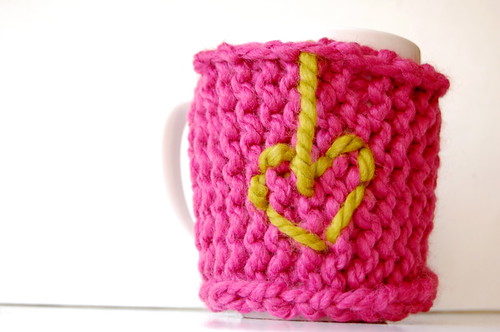
| Duh! Winning Drink Cozy by knotworkshop |
How could I resist doing a Charlie Sheen post? I wouldn't be winning! if I didn't! 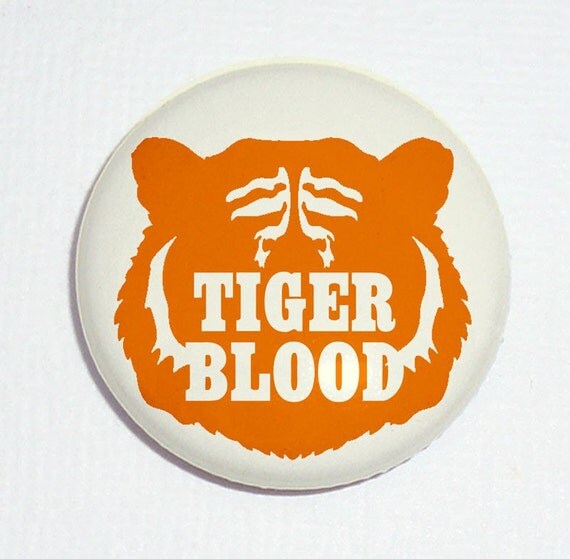 |
| Tiger Blood Pocket Mirror by hownice |
 |
| Charlie Sheen T-Shirt Medicine Bottle by MachineTees |
 | ||
| Charlie Sheen F-18 Tshirt by NIFTShirts | |
PORTLAND, Ore. - Ceramics artist Heidi Sowa had her eyes set on Portland for years. The city was not too big, had a cohesive arts community and plenty of easygoing and helpful people.
Within weeks of arriving, she landed a gig making costumes for 8-inch puppets in "Coraline," a 3-D stop-motion animated movie. Her job ended last year, and the movie opened in theaters earlier this year.
Now, at 26, Sowa is living on unemployment, sleeping in a single room apartment and eating from a refrigerator in a studio she shares with other artists under a bridge ramp in Portland's industrial east riverbank.
And she's not planning to go anywhere.
Like thousands of well-educated young adults who have flocked to Portland, she is determined to weather a recession that is testing their affection for the city.
The newcomers, called the "young creatives" by local economists, have helped give Portland the reputation over the past two decades for being one of the hippest cities in the country. They have been lured by the city's brew pubs, bicycle and mass transit culture, access to mountains and seacoast, and a tolerant, off-center way of life.
Now, they are trying to hang on while hanging out.
'Easygoing and helpful'
Sowa cites the city's love affair with bicycles and mass transit, its scale and its mood for her decision to stay.
"It seems a small enough but a big enough place," she said. "It's easy to meet people, and the art community is cohesive. People tend to be pretty easygoing and helpful, too. I haven't met many abrasive people."
Sowa is keeping busy with a whirl of projects and prospects, ranging from film pitches with a "Coraline" colleague to fashion corsets — she helped a designer create them in exchange for learning the how-tos of a trendy garment.
A Portland economist who has studied the "young creatives" says Sowa is typical.
"It's not as if it's great somewhere else," said Joseph Cortright, chairman of Gov. Ted Kulongoski's council of economic advisers and author in 2005 of a study of young people and American cities, "The Young and Restless in a Knowledge Economy."
Cortright said the United States soon will face a shortage of well-educated workers. Baby boomers are retiring, he said, and the rising percentages of women and college graduates in the work force are leveling off.
That, he said, will make winners of cities such as Portland that offer creative, entrepreneurial young people something distinctive, whether it is warm climate, cool culture, a combination of the two or something else entirely.
Cities with 'stickiness'
Charlotte, N.C., and Austin, Texas, are others that have Portland's "stickiness," he said, attracting outsize numbers of the 25- to 34-year-old cohort and keeping them.
High-tech entrepreneur Luke Sontag vows he'll stay in Portland despite a hard first year in town.
In September, Sontag led a crew of 34 high-tech workers on a latter-day "Oregon Trail" road trip, moving from Tulsa, Okla., in a convoy of rental vans and RVs, circling them at night on the western plains and building campfires to illuminate performances by the in-house band.
Within weeks after Vidoop Inc. arrived, the financial companies Sontag hoped to snag as customers were out of the market for his Internet security services. The layoffs started in November. The company, he said, was reincorporating, planning for new financing and workers.
In the meantime, he's plotting a company in mobile marketing with colleagues and living on savings. "If all went to hell with this, I would not be moving," he said. "I wouldn't give a flip if I had to pick up trash."
Living cheaply
Young creatives turn more often, though, to the coffee shops for work and their default job — barista.
Brodie Kelley, 29, is a comics artist and unpublished novelist who eventually landed a job behind a grocery store's deli counter. He tells a story about the competition for jobs slinging espresso drinks.
Attracted by an ad, he went into a jammed coffee shop, which he figured meant a thriving business and good prospects. Then the manager looked over the throng and said he'd begin taking applications: "But, first, is anyone here a customer?"
Some young creatives are nurturing enterprises on the cheap through co-working — renting space that's often loft-like with communal copiers and espresso machines. The environment is more businesslike than a home office.
CubeSpace, a prominent co-working spot, failed in June. Among the company's workers is Reid Beels, 24, a free-lance Web designer and programmer. He said CubeSpace was ideal for Saturday "code sprints," exercises in problem-solving that drew together otherwise independent high-tech workers.
These days, Beels said, he's doing his free-lance business out of coffee shops.
"I've been living very cheaply lately," he said. "I've still been doing enough work to pay the bills."
'I'm hanging in'
Hanging on in Portland is a month-to-month decision for 26-year-old Julia Sexton, who is originally from Florida. She came to Portland a few years ago to help a family member get married, and she fell in love with the scenery and the scene. "I couldn't believe this exists, the place I want to live," she said.
Hoping to work in interior design and architecture, she moved here for good last year. But she got laid off from a job in the sales room of a furniture builder in January. She sold her car, cashed her tax refund and hung on with family help.
"My grandma is awesome," she said.
By early July, she was working part-time and had a portfolio under consideration by an architectural firm. Her application, she said, is one of 41.
"I'm hanging in," she said. "I know this month's rent is paid for."
URL: http://www.msnbc.msn.com/id/32143201/ns/us_news-life/page/2/
 |
What girl doesn't have a bit of a shoe-shopping habit? From strappy sandals to Mary-Janes to impossibly seductive pumps, the shoe varieties out there are endless. Finally, you can indulge in all the shoe goodness you crave without breaking the bank. Vintage Shoes is a century-long journey through the key designs, technical developments, and cultural influences that shape shoe fashions. With its luscious photos and original sketches from luminaries such as Christian Louboutin, Vivienne Westwood and Manolo Blahnik, Vintage Shoes is a visual delight and an invaluable guide to the art of shoe shopping. In the excerpt below, fashion authority Caroline Cox explains where to buy vintage shoes and, more importantly, how to tell the difference between collectors' items and not-so-collectible ones.
Shopping and Collecting
In the early twenty-first century there has been a new consumer awakening as people have come to their senses and realized that collecting vintage is the most eco-friendly way of buying fashion -- it's a perfect example of recycling. The other beauty of collecting vintage is that you can get an item that no one else has and that's why it's become somewhat of an international pastime. Footwear designers unashamedly pay homage to designs of the past and consequently over the last few years there has been an increasing demand for vintage shoes, as they can sometimes be almost indistinguishable from their modern counterparts. Miu Miu's homage to Terry de Havilland's platform shoes in the early 2000s are an obvious example and had an added bonus -- they made the 1970s originals much sought-after and led to a resurrection of the original designer's career. De Havilland's gorgeous pop-art python skin heels now regularly sell for high prices at auction.
Where to Buy
There are obvious outlets for vintage shoes: specialist vintage clothing fairs; retro clothing markets like Portobello Road and Brick Lane in London and the Cligancourt flea-market in Paris; vintage retail outfits such as Exquisite Fashion in New York and Gray's Antique Centre in London; and of course the Internet. Charity and thrift shops are also surprisingly good for vintage shoes, despite having dried up as a source for most other forms of vintage, because the market is still relatively new and untapped and the names of couture shoe designers are far less well known than those associated with clothes. It is still possible to pick up a pair of original stilettos by Salvatore Ferragamo or a pair of 1940s wedges, for instance, because they have been mistaken for the modern version. There are several ways of recognizing a collectible vintage shoe:
• The very best -- including Roger Vivier for Christian Dior, Courreges and Beth Levine -- will have a griffe or designer label inside and these are the ones to collect. The vintage shoes that hold their value are by individual designers rather than mainstream manufacturers. So look for a designer's name like Seymour Troy rather than a corporate brand such as Dolci's.
• The most expensive designer shoes will be completely made of leather, including a leather lining and will say so: "all leather" if English, "cuir" if French, "vero cuio" if Italian.
• Look for leather that is stitched together rather than glued, as again, this suggests a higher quality and hand-made shoe.
• Remember that some synthetic shoes are still collectible, particularly from the 1960s when many of the top designers such as Beth Levine experimented with plastics.
• Original 1950s stilettos will have metal heel tips, not plastic ones.
• Many original manufacturer's labels before the 1960s are written in a calligraphic "signature" style rather than in modern typography.
To Wear or Not to Wear?
Collectors recognize that many vintage shoes are of a quality that is rarely found today. Techniques like hand-sewn seams and delicate detailing are too expensive to be incorporated into the modern processes of manufacturing footwear. Shoes from the past can also be in quite fragile condition, particularly if they date from the days of cobbling when investing in a pair of shoes was an expensive, long-term purchase and they would have been looked after and worn for many years. So should one wear such fragile objects or, like some collectors, use them to make a decorative statement instead? Many diehard collectors would regard putting on vintage shoes to pound the streets as a sacrilege and instead keep their special finds wrapped in acid-free tissue paper and out of direct sunlight, with a photograph stuck to the front of each box for easy recognition. It must be remembered that many women's shoes from the past were not designed for practicality and nineteenth-century slippers would fall apart if walked for the distances we expect today.
Another reason why vintage shoes remain unworn by many collectors is the question of fit. It is very difficult to find a perfect fit between a vintage shoe and a modern foot because forty years ago feet were considerably smaller -- or women pretended they were. Shoes tended to err on the small and narrow side because of the worship of the small and delicate female foot, particularly in the nineteenth and early twentieth century. It is much easier to find larger fitting shoe sizes from the 1970s onwards, as this was the era when the fashion for the clumpy shoe took off; there are bargains to be had from these decades that easily fit in with today's retro-inspired fashions. But if you are determined to collect vintage shoes that fit, the following steps should be taken to avoid blisters.
• Like any shoe, make sure there is enough space at the end to flex your toes. If your foot moves out of the heel when walking, buy an insole for a snug fit.
• If you are buying shoes from eBay or any similar Internet auction site, take no notice of the size that is quoted in the description -- shoe sizes from the past vary wildly. Ask the seller for exact width and length measurements and see if they match your feet before purchase. Some sellers also will accept returns so make sure you check their conditions of sale; you may be able to send a pair back if you‘re not happy with your purchase.
• If the shoes are a little tight, don't despair. It is possible to stretch them a little. For leather, take the shoe and dampen the pinching area with a 50–50 mix of water and methylated spirit or specialist leather lotion and then insert into a shoe stretcher or shoe tree where it should stay until it has dried. If the shoe is synthetic, place it on a shoe stretcher or shoe tree and warm carefully with a hair dryer while pulling it into shape.
• It's very difficult to track down pairs in unworn or very good used condition because shoes, unlike other kinds of retro accessories, were worn, mended and re-mended until they were worn out. As a result, it is fairly unlikely that a collector would find an unused, pristine pair in their original box, but it does happen, especially with 1980s shoes when designer shoes were displayed as trophy items and sometimes hardly worn.
• Finding shoes that date from before the twentieth century is a pretty rare occurrence, but a tip for dating a rare early shoe is to look at the soles. Before the mid-nineteenth century there was no clear distinction between the left foot or the right; shoes were interchangeable and had identically shaped soles.
Despite recent interest in all things vintage, there are bargains to be had out there. For example, it's much cheaper to buy a pair of Chanel shoes than a blouse or belt, and there is a specific cultural reason for this -- people are squeamish about other people's feet. A vintage dress can be easily cleaned, but shoes less so, and many bear the imprint of the previous owner's feet, which can be off-putting to some vintage clothes enthusiasts. Shoes tend to have a bit more wear and tear than other items of vintage clothing and it's sometimes difficult to disguise. But a suede brush, a shoe shine kit and a pair of insoles can work wonders, and remember that buying vintage is the best way to stand out from the main street crowd.
From Vintage Shoes: Collecting and Wearing Twentieth Century Designer Footwear. Published by HarperCollins Publishers Ltd. copyright text © 2008 Caroline Cox. All rights reserved. Reprinted by permission of HarperCollins Publishers Ltd.
Article
See also : Can Etsy Save the Economy? @ re-nest/apartment therapy
Last summer I spent weeks shopping for an anniversary present for my wife. I searched all my usual retail sources but couldn't find anything that hit just the right note. Then I went to Etsy—an ecommerce site where artisans sell unique handmade goods—and found the microstore of ClockworkZero, a woman who turns old electronics gear into steampunk accessories. Presto: ClockworkZero's stuff was both gorgeous and geeky, precisely the vibe I craved. I came away with a necklace made from a vintage vacuum tube.
It turns out that I'm not alone in my search for that perfect one-off treasure. Judging from the explosive growth of Etsy and other online boutiques, the Web is spawning a curious new trend: micro-manufacturing. Consider the numbers. Etsy has 2 million users buying nearly $90 million worth of stuff annually. Its sales have increased twentyfold in the past two years. I was aware of the site but had dismissed it as some sort of urban-hipster thing—until I started seeing chatter about it on discussion boards for wealthy professionals and stay-at-home moms.
The economy may be cratering, but people are stampeding to handmade goods. Why? Part of it is a supply-side phenomenon: Thanks to the Web-fueled boom in DIY culture, there are more one-of-a-kind products being made. With sites like Instructables.com, Makezine.com, and Knithappens.com, it's now feasible to train yourself in a marketable craft using nothing but online guides. You can learn even derangedly complex knitting patterns or skills like circuit-soldering when you've got a YouTube video walking you through each step.
And if you're making awesome stuff in your spare time, pretty soon you'll start thinking: Hey, I could sell this, couldn't I? Not a bad way to recession-proof your household.
The other side of the equation is demand. The Etsy guys attribute their success in part to customers tiring of cookie-cutter products. "The '90s were the period of wearing big-box names on your chest," says Adam Brown, who heads up Etsy's cooperative advertising program. The site's popularity may also be a reaction to the slightly sour, rummage-sale feel that taints eBay, progenitor of the modern microbusiness.
But I believe our craving for one-off goods goes deeper yet. Digital culture has always been about customization and individuality: blogging your thoughts, designing monster houses in The Sims, Flickring your life, crafting unviewable MySpace backgrounds. It's all about creating a personalized aesthetic. After years of molding the digital world to suit our style, is it any wonder we want to do the same to the physical realm?
As Virginia Postrel wrote in her superb book The Substance of Style, Americans have become more discriminating over the past few decades. In the '60s and '70s, we worried about getting good-quality stuff, she says, because mass-market manufacturing was often of such poor quality. But most products these days are decent: the bargain-basement TV you get at Best Buy will last 15 years. So now we're focusing more on aesthetics, beauty, and uniqueness.
Indeed, as this market evolves, the physical world is going to be increasingly customized—built to your specs by craftspeople. Etsy now runs a service that lets you describe something you want—a pair of pants, a shoulder bag, a table—and how much you'll pay, then artisans can offer to make it for you. (Ponoko.com has a similar setup.) And as high-end atom-hacking tools like 3-D milling and laser cutting become cheaper, those folks on Etsy will be able to quickly deliver you customized versions of a huge array of personal products: Laptops, bicycles, even robots. The Age of Bespoke Everything, as it were.
Oh, and for the record: My wife loved the necklace.
Email clive@clivethompson.net.
Once the epitome of uncool, craft is making a comeback with a new generation. Rachelle Unreich threads up to find a burgeoning movement that is hip, political - and just a little divided.
If you were to meet Gemma Jones on the street, you might notice the following: hair swept up in a beehive, distinctive, quirky tattoos (one, on her arm, features a hand pointing to a teapot), loud clothing and a green plastic necklace that says "snotty". You might be surprised to learn, then, that Jones also started her own craft group. Mind you, hers is not your crochet-a-tea-cosy group of grannies: her "alternative craft co-op", the Kaotic Kraft Kuties, once got together and turned old band T-shirts into knickers. "I'm probably at the young, punk-rock end of the craft community," she says.
Is there such a thing? Yes, indeed. The art of craft has gained momentum with the hipsters. Sewing, toy making, knitting, crocheting, embroidery and printing - in that order - are the most popular crafts, says 40-year-old Pip Lincolne, who sells many such handmade items at her store, Meet me at Mike's. The author of a book of craft projects, she also heads up craft circle Brown Owls, which has 250 members and a Facebook presence. Clearly, Nanna's not the only one making Afghan squares any more.
"Crafting used to be looked on as something for grannies or Stepford wives, but apart from an amazing way to get creative, people also do it to be green and sustainable. It's the 'mend and make do' ethic," says Lincolne, explaining its appeal. "And now, with the global financial crisis, people are staying home and crafting or reading. It's lovely to be able to sit in front of the tele and end up with something unique."
But these women - the groups are almost exclusively female, mainly between 20 and 35 - aren't just meeting to complete their quilts. Says Lincolne: "The craft community is like a big, stitched-together sorority. I had no hesitation, for instance, to email (documentary filmmaker) Faythe Levine in the US, asking her over for a cup of tea when she was in Melbourne (to promote her film on craft, Handmade Nation), because we're cobbled together with the same sort of glue - we both like making stuff! And she came over, we hung out, I introduced her to other friends. The craft world is about making, music, food and friends - and the other elements are as important to me as the 'making'."
Gemma Jones agrees. "Half of the reason people come is social. I can definitely say I've made some friends for life." To wit: Ink & Spindle is a Melbourne screen-printing studio whose owners - Lara Cameron, Bianca van Meeuwen and Tegan Rose - furthered a friendship through the craft blogging world and set up shop together. "The community feels old-worldy and everybody knows everybody in it: if you think back to the pre-industrial revolution, it's the sort of community you'd have in your village then," says 25-year-old Rose.
Only this is a village with broadband access. Nearly every modern crafter concedes that the internet has changed the world of crafting, since DIYers start blogs, form online clubs, post photos on Flickr, swap ideas and sell their wares online. Etsy.com, a marketplace for all things handmade, has been going for less than four years but has 170,000 sellers on board. According to Bec Davies, 32, owner of madeit.com.au, which features 350 Australian sellers, "The internet becomes a large part of your life: not only as a selling tool, but a social network where good friendships are formed." But Jones points out that "while the internet plays a strong part in keeping the network together, what makes crafting appealing is the very hands-on, realness of it all."
Perhaps that's why it's not a passing whim, forgotten when the next Twitter trend arises. "Rather than a fad, it's a way of life," says Lincolne. Part of Lincolne's philosophy is that crafting should create something positive. "Twice a year, Meet me at Mike's puts a call out for people to craft for the Mirabel Foundation (which helps children who've been abandoned or orphaned due to parental drug use). They make a soft toy, and we pass them on to the kids at Mirabel. But first, we display the toys for two months in our shop window; it's important that our neighbourhood sees that we're putting (something) back in." Similarly, the Kaotic Kraft Kuties held a raffle of donated craft and artwork that raised more than $12,000 for bushfire survivors.
Rayna Fahey, 29, of www.radicalcrossstitch.com, takes the notion of crafting for good even further. As part of one of the "craftivists" around, she uses craft as a form of creative action and protest, addressing topics such as indigenous sovereignty and women's liberation. As such, she's the co-founder of the Melbourne Craft Cartel - for crafters with a radical edge - which runs events and produces a podcast. She thinks craft has become hip because "many young people have come to the conclusion that rampant consumerism has to end". The resurgence of handmade has a lot to do with people wanting to reduce their impact on the Earth. She also sees the current financial crisis as a factor. "It's certainly increased interest in the economic benefits of craft. The last time we had a global depression was the birth of the classic craft saying, 'Use it up, wear it up, make do or go without'."
By contrast, Jones believes the edginess inherent in the new craft movement has resulted in an attitude that's almost "anti-nesting". "I don't think that the personality of new crafters is about retreating or getting cosy or feeling the fear; it's about getting out and being loud."
Within crafting, there are different approaches. On the one hand, Jones represents the attitude of many crafters who've responded to a world that combines kitsch and creativity. "It's about doing things in an individual way, and it's a bit dirty and a bit wrong," says Jones. "It's about injecting a bit of humour into it. It's not about getting all the stitches right; it's about having fun."
Typical of this point of view is Shannon Lamden, who sells everything from tote bags to cushions through her Etsy store, Aunty Cookie. "I am self-taught; I don't come from an overly crafty background, and I can't sew a straight line, but I try hard and I like to think I cover up my mistakes well."
At the other end of the spectrum are crafting traditionalists, such as Pene Durston, 43. She owns a craft design store, Cottage Industry, sits on the board of Craft Victoria and airs her opinions on MissPenPen.blogspot.com. With a weighty background in textile design, she also teaches at RMIT. "Craft is not something I've come to in the last couple of years. A lot of people crafting at the moment came to it really late. There's a whole generation of people who never learned to knit or crochet or mend - they just went to a store and bought ... it's a different mentality." While Durston has no problem with this approach, she has reservations when it comes to some of these goods being sold.
"These days, a lot of people are selling crap; it's not up to a good enough standard ... Now, craft is a very loose term covering a lot of things - ceramics, textile and fashion - and it's also done by hobbyists, as well as professionals. There is a vast difference." Although she stresses that there's a place in the craft world for everyone, she is concerned that the ethos behind institutions such as Craft Victoria could be lost - "the importance of the 'hand' in the production of work, and the high level of skill invested by makers in their craft."
Her thoughts are partly echoed by Douglas & Hope owner Cathy Hope, 39, who sells her quilts - along with fashion and homewares - through her store. "Quilting is such a long-term investment; the first ones I did took a year each to make. There's a fine line between good, commercial craft and - without saying it awfully - the bad. I would encourage everyone to sit at night and do something creative. But when they want to turn it into an industry ... there needs to be a certain standard of quality."
Still, both groups would agree that the world of craft is more vibrant than ever. Levine's movie, Handmade Nation, outlines the indie edginess of craft, featuring artists such as Whitney Lee, who uses latch-hooking pornography to convey her views about the way women are portrayed in the media. Levine's film also profiles a guerilla knitting group named Knitta ("PolyCotN" is the name of one of the founders), which places knitted objects in public places - one wrapped around a cab antenna in New York, another covering a rock along the Great Wall of China - making it a yarn version of graffiti.
"For a long while," says Jones, "craft has been a little bit of a dirty word, but now people are embracing it and giving it new value. I'm glad I've been part of that ... There really is a big groundswell of people who want to connect with crafting. Maybe it's partly fashion and trend-hopping, but some of these people who jumped on the bandwagon have had their lives changed. They're not getting off."
Want to get crafty? Places to start
www.Etsy.com Sells handcrafted items from all over the globe. Prices are in US dollars, but most sellers ship to Australia.
Meet me at Mike's (http://meetmeatmikes.blogspot.com, 63 Brunswick Street, Fitzroy) Fashion, homewares and quirky gifts make up this cool emporium.
My Poppet (www.mypoppet.com.au, 717 Glenhuntly Road, Caulfield South) Carries handcrafted clothes and accessories plus kids' decor and toys.
Patchwork on Central Park (www.patchworkoncentralpark.com.au, 148 Burke Road, Malvern East) Fabric heaven for sewers, with patterns and kits available. It also runs classes.
in.cube8r (www.incube8r.com.au, 321 Smith Street, Fitzroy) More than 75 crafters hire cubes to showcase their wares.
Craft Victoria (www.craftvic.asn.au, 31 Flinders Lane, city) Its shop, Counter, features limited-edition homeware items, jewellery and accessories. An exhibition Viva La Craft! is on until April 24.
http://craftcitymelbourne.blogspot.com A directory of what's happening in Melbourne's craft world.
If women buy just one fashion item for autumn 2009, let it be long leather gloves or an over-the-top hat to freshen up their wardrobes, according to style experts at New York Fashion Week.
Making a statement with unusual accessories can get consumers to spend because it is fairly easy on the budget, they said. Instead of spending thousands of dollars on a couture dress, women are more likely to spend a few hundred or less on a necklace or shoes.
"Bold accessories are the most affordable way to update a wardrobe," said Constance White, style director for eBay, the online marketplace where clothes, shoes and accessories racked up more than $20 billion in gross merchandise volume last year.
Italian designer Domenico Vacca, one of hundreds of designers who showed their Fall 2009 collections at New York's semi-annual fashion event, showed gold and silver hoop earrings nearly as big as saucers.
"Why not? We love to exaggerate," he said backstage. "We love to go big."
Max Azria, Tracy Reese and Georges Chakra were among designers showing gloves to the elbow or above with day and evening wear.
"I loved the gloves. There's an elegance that's finding its way back," said Harriette Cole, creative director of Chicago-based Ebony magazine, after the Cynthia Steffe show.
Complementing the gloves were elbow- or bracelet-length sleeves on coats, sweaters and dresses.
Tory Burch, named Accessory Designer of the Year in 2008 by the Council of Fashion Designers of America, said first lady Michelle Obama helped inspire the trend with the green leather gloves by J. Crew that she wore on inauguration day, January 20.
"A lot of women are looking to her for style influence," said Burch.
On the catwalks, shoes had severe straps and stilettos, biker-styled boots had slim chains and faux fur collars adorned many a coat.
"You could put that collar on an old coat and make it new again," said Yolanda Variano, who went to the Tracy Reese show to shop for her boutique Palma in New York.
Popular too were walnut-sized rings and stacked bangle bracelets.
There were also hats galore — Diane von Furstenberg's whimsical pompom-topped numbers, equestrian styles at Monarchy, knitted wool caps by Generra and wide-brimmed toppers by Toni Maticevski.
URL: http://www.msnbc.msn.com/id/29283366/


 Ashley Jennings posts illustrations like this one, as well as artistic house wares, for sale on Etsy. PHOTO BY LAUREN RANDOLPH |
Pamela Robinson had a hard time deciding what she wanted to be when she grew up. After graduating from Platt College in San Diego with a degree in graphic design, she eventually relocated to Reno and began a series of unfulfilling jobs—sign maker, seller of ski classes, model, teacher’s aid, physical therapist assistant …
“My interests were in so many different places, but I was never happy,” she says.
A few birthdays ago, she was given a sewing machine. She found some interesting scraps of fabric and made a few purses for family and friends, who loved them, and she realized she was onto something.
But while hawking her wares at a craft fair seemed like a good idea, she was quickly disappointed.
“Because of my design background, I had created my own marketing materials,” she says. “Everything was really professional … and nobody believed I made the purses myself. So I didn’t make any money. It was very discouraging. I packed everything up and put it in my attic.”
Then, in October 2007, she found herself on Etsy.com, an online marketplace for handmade goods.
“I was so excited, I was like, ‘Finally, I found my thing!’” says Robinson.
Back to the basics
Robinson’s thing, it turns out, is a lot of other people’s, too. As the RN&R reported in a Dec. 11 feature story, Do It Yourself culture is on the rise. Call it a response to the crappy economy, or a trend launched by such reality shows as Project Runway, but handmade is hot. Home improvement stores around the country are reporting increased enrollments in DIY classes, and craft store giant Michaels is one of the few retailers in the country reporting increased revenues this past holiday season.
And Etsy.com, which connects artisans and consumers around the world, broke records in November and December, taking on 135,000 new memberships and listing 1.1 million items for sale—more than doubling the previous year’s figures. Some artists even had to close their Etsy shops for the holidays when sales far exceeded projections, depleting their stocks.
“I’m proof you can definitely make money on Etsy,” says Robinson. “But you have to give 100 percent to make it work. It’s a full-time job.”
 Jen Graham sells some of her wares, like this embroidery, on Etsy.com PHOTO BY LAUREN RANDOLPH |
The science of selling
The site, which launched in 2005, explains that its mission is “to enable people to make a living making things, and to reconnect makers with buyers.” The site not only features the work of thousands of artists from around the world, but its commitment to quality, apparent in the clean look of the site, easy navigation and high-quality products, is in itself a marketing tool.
Buyers can search handmade or vintage items and supplies, as well as particular sellers, and can narrow searches by community or even color.
Sellers are walked through the fundamentals of creating and naming their shops and taking good photographs of their work, and can find marketing tools, connect with other artists, receive selling tips, track sales and even blog with other users. It costs 20 cents to list an item for four months—arguably less than one might pay for booth space at a craft fair, or to sell through local consignment shops, with far more exposure.
Ashley Jennings, a Reno artist who sells illustrations at PaisleyAnn.etsy.com, as well as plushes, furniture and pillows at PaisleyAnnHome.etsy.com, says that while she’s seen occasional great results on Etsy, it’s not easy. And it can end up being expensive.
“I think Etsy has more than 200,000 shops now, so to find one person is really difficult, and you have to relist over and over, at 20 cents each time, because items are listed by date,” says Jennings, explaining that while more shops obviously means more choice for shoppers, it can be discouraging to artists trying to stand out from the crowd.
Robinson’s first shop, BeadsInATwist, which she created for selling crochet jewelry, found great success—especially when she added her handbags to her product offerings.
“I had sold something like 87 handbags by the time I realized the shop name didn’t really fit,” she says. “I wanted to change to UniqueHandbags.net, and I knew a lot of people struggle with changing their names because you have a clientele that marks you as a favorite. But I took the risk because I was looking long-term.”
Her sales dropped markedly. Her handbag sales this holiday season only numbered around 10. Still, she sees things gradually picking up, and her belief in the potential holds firm. Robinson now operates two shops on Etsy—UniqueHandbags and Uniques, where she sells items such as leather accessories and jewelry.
Adrienne Mineiro, a local jewelry artist, just set up shop on Etsy last summer at TheVintageEmpire.etsy.com. Her sales thus far have been modest, but she remains optimistic.
“The amount of both finished goods and supplies you can find there is unequaled,” she says, referring to many of the vintage items she uses to make her jewelry, such as typewriter keys and pocket watch dials. “I wish I hadn’t invested the time and money in making my own website. I should have just started with Etsy. It’s incredibly inexpensive, and the framework is there, the e-commerce aspect, which is expensive to get on your own.”
Local sewer/crafter Bean Paulson sold 18 items in December—not bad, she says—on her site CoyoteCraft.etsy.com. She subscribes to the “under one roof” philosophy, choosing to sell all her products from one shop, which keeps users from having to click through. She has this advice: “Do a good job. Pay attention to detail. Take nice pictures. Make smaller things so you don’t have to charge a lot for international shipping. List and relist often, to make sure you stay near the top of the search results.”
 Pamela Robinson’s handbags looked too good to be true at craft fairs. She’s had better luck at La Bussola, where she is here, and on Etsy.com. PHOTO BY LAUREN RANDOLPH |
Teaming up
The artists agree on the following:
1) Never underestimate the power of good photography—without it, your work simply won’t sell; and 2) The greatest benefit of Etsy is its power to build community. None of them use Etsy exclusively—it’s one tool of many. Local artist Jen Graham, who sells photography and sewn objects through WormEatsBird.etsy.com, has had limited sales but finds that for local artists, Etsy’s resources are invaluable.
“You get a lot of great feedback, so you’re really forming a community,” she says, adding that the feedback she receives tells her what to make more (or less) of. “It’s hard for people doing this to survive, especially in this town. So with Etsy, I can get people from around the world buying my stuff.”
Capitalizing on the community aspect, Etsy recently launched another feature: Etsy Teams, which unites members by craft, community or other common interest, to share marketing resources, network, promote each other’s work or learn from each other. Jennings, Robinson and Paulson have formed a Reno-based team, Handmade Hustlers. Their ambitious promotional plans include online tutorials and regular local shows.
“People like to shop locally, I’m finding, but only if they can find good stuff,” says Jennings. “It’s just a matter of getting our names out there.”
And as Robinson has found, Etsy is an excellent way to start. “I’m so excited about the opportunity Etsy has given me. It’s given me so much confidence, and opened my eyes to a whole new way of life.”
SOUTH BERWICK, Maine — When millions of children's toys imported from China were recalled in 2007 because they contained too much lead, Jen Houghton, owner of The Little Hat Company in South Berwick, said customers would come to her store, which features handmade goods, specifically to avoid buying contaminated toys.
The Little Hat Company carries a variety of children's items, from mittens made out of old sweaters to winter hats made by stay-at-home moms who work for the company — and people were comforted by the fact they didn't come from China, she said.
But now a federal law passed in response to the imported toys debacle could have the unintended consequence of putting small shop owners like Houghton out of business, along with independent crafters.
As of Feb. 10, any consumer product designed for children 12 and younger can't be sold if it contains more than 600 parts per million of lead. On Aug. 14, the limit will drop to 300 ppm, and the products will be required to be tested by a third party (other than the maker and seller) — which can cost $350 per item component.
The law was broadly worded to include not only imported toys, but items like children's books and clothing accessories.
While large toy makers like Mattel, which had millions of its toys imported from China recalled, can absorb those costs, small businesses like Houghton's can't.
"It's scary. We're hit already with the economy, and if we lose our children's hat market ...," Houghton said, trailing off.
She is currently selling hats for half price and turning away local crafters who want to sell their handmade goods in her store. She has been contacting lawmakers and the Consumer Product Safety Commission, pleading that changes be made to the law.
Patty Davis, a spokeswoman for the commission, the federal agency charged with enforcing the law, said store owners like Houghton "should be prepared to comply with the law."
The commission is aware of the effect the law could have on shop owners, Davis said, but may not be able make exceptions because of its strict wording. It applies to any "consumer product designed or intended primarily for children 12 years of age and younger," according to the law's text.
The law, the Consumer Product Safety Improvement Act, was revised by lawmakers in 2008 to require the testing of both imported and domestic children's items. It was overwhelmingly supported, passing by a vote of 407-0 in the House of Representatives and 79-13 in the Senate.
Christina Buteau, who runs the Cuddlebee's craft business out of her Durham home, said lawmakers had good intentions by putting safeguards in place to protect children, but overlooked the impact the law would have on small businesses.
"I don't think they intentionally meant to hurt the little people, but that's what they've done," she said.
Buteau, who sells baby blankets, bibs, and burp clothes to hundreds of customers and vendors across the country, including The Little Hat Company, is afraid she won't be able to continue her business.
"What are you going to do?" she said. "These are all handmade products made in the United States ... we're just sewing fabrics together. (The commission) is going to have to come to some middle ground."
Earlier this month, the commission issued a statement saying resellers and sellers of used children's products will not be required to test their products if they already meet safety standards, as the law states manufacturers are responsible for testing their products. But for crafters who make their own goods, even goods that are made from tested materials, would still be required to pay for testing, because they technically act as the manufacturer.
Lead is a neurotoxin that even in small doses can stunt growth in children and cause learning disabilities, hearing problems, anemia and brain-related developmental problems.
Houghton said she understands children should be protected from lead-tainted products, but finds it ironic owners like herself will be disproportionately affected when contaminated toys imported by large companies were the impetus for the law.
Adam Brown, a spokesman for Etsy.com, an online market for buying and selling handmade crafts, agreed the law unfairly affects small businesses.
"It's ironic and funny, if it wasn't tragic," he said. The law "is really intended for big companies who make thousands of toys."
Houghton said about 25 percent of her inventory is comprised of locally made craft items, which she will no longer be able to sell come August. She has been contemplating putting all children's items in storage in the hope the law will be revised, or selling them for adults and pets only.
"Whatever we have to do to stay in business," she said.
Kerry Wood, co-owner of the Noggin Factory in Dover, said she will be forced to no longer accept toys from local crafters because they can't afford the testing.
"It seems to me a bit of an overkill," Wood said of the law.
The Consumer Product Safety Commission currently has no plans to subsidize testing costs for small businesses. The penalty for violating the law is a fine of up to $100,000. Before the revisions to the Consumer Product Safety Improvement Act were ratified, the maximum fine was $5,000.
The commission has the authority to interpret how the law is enforced. Davis, the commission spokeswoman, said her organization has been receiving comments from small business owners and will issue another statement before February.
In a statement, U.S. Sen. Susan Collins, R-Maine, who voted for the law, said the commission hasn't given clear guidance to store owners.
She added that she will work with the commission to "improve the clarity of these new regulations to prevent unintended consequences from negatively impacting our nation's businesses."
Maine's 1st District U.S. Representative, Democrat Chellie Pingree, urged the commission to exempt items that contain materials that "aren't risky" like wool or unfinished wood.
"I'm deeply concerned about child safety, but also sensitive to any unreasonable regulations that might drive small companies out of business," she said in a statement.
Buteau, the owner of Cuddlebee's, said she hoped an exception could be made for owners like herself.
"These are little people. Isn't that supposed to be the American dream, to own your own business?" she said. "I'm just really hopeful something will change."
| John Huff/Staff photographer Marshwood High School Senior Emma Morrison holds a silk-screen T-shirt and a pair of knitted booties, both made by local artisans. For more info visit: http://www.handmadetoyalliance.org/ Help Save Handmade! |
NEW YORK — It's probably safe to retire - or at least put to rest for a long winter snooze - your skinny-leg pants. Once the first signs of spring start to stir, the favoured silhouette will be loose and easy.
"Wide pants - if you invested in the dramatic floppy leg pant that just skims the ankle, you are in luck. These are still a big trend for next year," says Avril Graham, Harper Bazaar's executive fashion editor.
That's the thing about fashion: Almost every look - good or bad - comes back, even if it's slightly tweaked. The key is gauging how fast the boomerang is moving.
Take Uggs, for example. EBay style director Constance White says the cosy, furry boot is already a must-have item again for many women - and it's a trend driven by consumers.
"The fashion gods forgive me: I will not throw out a pair of Ugg boots. ... They dipped - came off the radar and weren't 'it' anymore - but they've had the huge rise in popularity again. All you have to do is look on the streets and you'll see hundreds of women and girls who just think they're the cutting edge of fashion all over again," White says.
Some other likely top (and not) looks of 2009:
-Sandy neutrals and tropical colours are likely to make a splash, but there might be a changing of the guard for regal purple, which has reigned for a few years. Painterly prints had a shorter run, but Graham says they too are on their way out. "Best to look for sweet florals," she advises.
-Safari styles, whether they're vintage Yves Saint Laurent or new Banana Republic, are enjoying a high point on their arc of popularity. That's good news, says Graham, because it's an easy look for most women to wear.
-The 1980s continue to both inspire and haunt fashion, but if you ever wore harem pants and highlighter colours the first time, you might consider giving only a wink to the decade with bangle bracelet or fluorescent accessories.
-A low-platform heel is a shoe that takes you through every season and most occasions, says eBay's White. If you're cleaning your closet, extreme platforms can get tossed, but hold on to all your peep-toe shoes, she advises.
The popular gladiator-style sandal will triumph again this summer, but it'll be even more aggressive looking with higher heels.
-The big-statement necklace popular last year is still a trend, but it's one you can cut back on.
"If you've accumulated three or four, part with two of them," White says. "Instead, hold on to any bracelets - cuffs or stacking bracelets, especially. They're fresher, new and they're going to be hot right through spring and summer."
-Logos are out and subtly is in. "It's not the right time for flash," declares Graham.
Sometimes the Web is most satisfying when it confirms a cliché from the world offline.
I’m thinking of the captivating street-style photoblogs, which display snapshots of chic pedestrians in cities around the world. Such blogs exist for Tel Aviv, Stockholm, Moscow, Sydney, Seoul, Berlin, Dublin, London — you name it. Survey them one morning over coffee, and you’ll feel like a boulevardier of the whole world, breezing past one stunning creature after another, free to cruelly assess or dumbly gaze — at supreme leisure and invulnerable to reciprocal scrutiny.
What can be learned from a global anthology of fantastic-looking people? First off, you might find that looking at people on city streets is almost a perfect allegory of Web-browsing. Tellingly, the major Chinese search engine, Baidu, takes its name from an ancient poem about the search for (what the portal’s FAQ calls) “a retreating beauty amid chaotic glamour.” Anyone encountering the bedlam of the Web seeks a resting place, even — at times — a literal or figurative embrace. The suspense of that exploration is mirrored in the story you find on the street-style blogs: the search for a quiet connection with beauty in a metropolis of strangers.
But what specifically do the photoblogs teach about fashion? The novelty of Aladdin pants, the sweetness of dove gray, bits and pieces of style — gestalts, vibes — the same vague revelations you might discover while walking in the Harajuku neighborhood in Tokyo or the French Quarter in New Orleans. Dozens of street-style blogs for Muslim women show inventive ways to wear a hijab and eye makeup. Some stylish people on the blogs look chipper and resourceful (Tokyo); some look pampered (Cape Town). Others appear proud (Stockholm), playful (Austin), radiant (Copenhagen), easygoing (Nairobi), celebratory (Buenos Aires), ferocious (London). The street-style blogs palpably lift the mood: human beings in their natural habitats and chosen adornments seem suddenly ingenious, unpredictable and above all beautiful.
That feeling mounts at the best sites — Face Hunter, Style-Arena, Stockholm Street Style — and peaks with a glance at The Sartorialist, the bellwether American site that turned this kind of cruising-photoblogging into an art form. Fathered by Scott Schuman, a onetime employee of the men’s clothing enterprise Chess King who (though he detoured through a career in high fashion) never lost his eye for the sharp-dressed Everyman, The Sartorialist features not just handsome people but also handsome photographs. The site’s generous, near-gilded portraits are especially pleasing when contrasted with stock rage-filled fashion spreads in glossy magazines. Schuman’s images have no edge; they’re all creamy center.
On an average day at The Sartorialist you might catch two students, she with a pink bow at her neck and he in a shrunken flannel shirt, loitering not far from a humorous-looking bearded man in a military-band jacket, who himself preens not far from a row of sophisticated winter women in dark stockings, heels, furs and vividly colored August-weight dresses.
Indeed, the street-style blogs of the world are so trippingly delightful and spontaneous that, while you forget your cares in your moneyless world tour, you may also forget all societal gravity and natural laws and snob hierarchies — until. Hold up. At Garance Doré, a French blog named after its proprietress, you hit a hard truth, the immovable cliché of style: Paris. The Web came, the European Union, Tokyo style, war, Sarkozy, the crash of global markets. And still everyone dresses better in Paris.
At least, I mean, they look sublime at the house of Garance Doré. Raised by a high-stepping mother who wore Mugler and Alaïa, Doré is a fashion illustrator who in 2006 became “a little frustrated with the commissions I had, and in particular by the lack of contact with the readers” (as her freshly translated bio puts it). She closed the audience gap with a blog — as so many do; at first, it showed sketches and captions and now features photos of people she encounters. You know, just people, regular people, like an ethereal redheaded It Girl outside a Karl Lagerfeld show, or the sultry French model Valentine Fillol Cordier at the Palais Royal.
A friend of mine won’t look at Garance Doré because he says it fills him with longing he can’t bear. I feel nearly the same way, though I don’t stay away; I’m pleasurably overwhelmed. Somehow Garance Doré gives viewers the sense that they are in the urban splendor too, or could be, or should be — strolling or sauntering, rather than linking and clicking. And at this moment in cultural history, when the allure of Europe and Paris and the sumptuous, leisurely life is assumed to have faded, we’re not on guard against it. Garance Doré should come with a caution.
With their scarves and coats in muted colors, steady gazes and rosebud mouths, the figures who pause at Garance Doré seem somehow sainted. Unlike Schuman, Doré publishes photos of faces alone (often set above full-body shots), so her focus is less on silhouette and proportion and more on expression and complexion. While Schuman’s camera is curious, Doré’s is smitten. Her figures glow under her attention. They’re nearly aflame.
As a rule, the street-style blogs don’t take many ads. They’re not advertorial, either. I haven’t seen any that systematically caption their photos with information about brands, labels, prices. And if you think you might try to replicate one of the looks, you’re thrown back on your wits and your own wardrobe: the sites don’t suggest places to shop. A proposed “shopping guide” that was forever “premiering soon” on The Sartorialist seems to be stalled.
On the other hand, in this time of a downturn in traditional media that’s said to be both “cyclical and secular” — meaning that there’s a recession on and that the businesses are fundamentally changing and moving online — the street-style blogs suggest a new way of displaying fashion and, down the road, monetizing fashion reporting. Vogue’s Style File blog at Style.com, which features celebrities and breaking fashion news, rarely draws a single comment. By contrast, a Garance Doré post of an unnamed woman in houndstooth and stripes drew 78 comments, in French and English. Sartorialist posts regularly draw more than a hundred. People return to these sites, and stay a long time. In the fashion frame of mind, some viewers would no doubt click on ads for e-tailers that might sell them clothes, jewelry, accessories and cosmetics.
It’s also worth noting that if it’s the styles of New York and Paris that play the best online, nothing in the taste of the times should be all that confounding to people who know the rules of traditional fashion. Although of course even the great Garance Doré — who seems to me to be the guardian of all style — can get confused. Recently, Doré reported that she came across a stunning young woman with “une allure incroyable” in black eyeliner and a vintage blue puffer coat. Doré speculated that she might be from an exotic land, perhaps where grog is drunk. (At times, the French fashion world seems to be intoxicated by Scandinavian beauty and style.)
Though Doré addressed her in English, the alluring woman was entirely French, called Marianne (“Comme la République Française,” the woman added helpfully). It turned out that she was Doré’s neighbor in Paris. A stylish Parisienne? Quelle surprise.
__________
Points of Entry
THIS WEEK’S RECOMMENDATIONS
THE STREET: Seeking men and women fully dressed? The joyful street-style blogs are for the traveler who likes the sit-in-a-cafe-and-observe part and can be brought around — in the recession, anyhow — to the from-the-comfort-of-your-home part. My favorites are the pristine ones that don’t have muddy, trashy party pictures that really belong on MySpace. I like a point of view, lucid pictures, some analysis and lots of air in the design. That means: Face Hunter (London and beyond), The Sartorialist (New York and beyond), Garance Doré (Paris), Copenhagen Street Style, Stockholm Street Style, Altamira NYC, Stil in Berlin, The Style Scout (London), Style-Arena (Tokyo by neighborhood; see especially Harajuku, which first defined street style), The Streetswalker (Tel Aviv), Toronto Street Fashion, Styleclicker (Munich), On the Corner (Buenos Aires), Austin Style Watch, 2 Threads (Australia), The MidWasteland (Chicago), Miss at the Playa (miscellaneous), Hel-Looks (Helsinki), Look at Me (Moscow), Shanghai Viva, Glam Canyon (London), ReykjavikLooks.